A circuit breaker keeps tripping primarily due to an overloaded circuit, a short circuit, or a ground fault. These issues occur when devices draw too much power, wires touch, or moisture infiltrates the system during rain and hot weather. Persistent tripping indicates an underlying electrical hazard or a faulty breaker that requires a professional inspection to ensure safety.
You are settling into your evening routine when the lights suddenly vanish, leaving you to navigate a dark hallway toward the service panel yet again. A circuit breaker that keeps tripping is more than just a minor inconvenience; it is a critical warning signal that your electrical system is struggling under stress. Understanding these interruptions is vital for maintaining both your home's functionality and your family's safety, particularly when Utah's intense summer heat or sudden downpours put extra strain on your grid. This guide explores the primary causes behind these frequent trips, including scenarios where the power cuts out even with nothing plugged in. We will provide a clear breakdown of local repair costs, offer practical troubleshooting steps for homeowners, and help you identify the precise moment when a professional intervention from a licensed electrician becomes necessary.
The Frustration of a Constant Power Trip
You are right in the middle of preparing dinner or finishing up the Sunday vacuuming when the lights flicker and the power cuts out. This sudden interruption is a common frustration for many homeowners across Box Elder County. While it is tempting to just flip the switch back at the service panel, a circuit breaker keeps tripping for a specific safety reason. The device is designed to shut down the flow of electricity when it detects a surge or fault, effectively preventing an electrical fire.
However, a breaker that requires constant resetting is a symptom of an underlying issue that demands a permanent fix rather than a quick reset. At Anders Electrical, we provide professional electrical solutions to diagnose exactly why your system is struggling. As local experts serving Northern Utah, we understand the nuances of residential wiring and help you move past temporary resets to ensure your property remains safe and functional.
Four Primary Reasons a Circuit Breaker Keeps Tripping
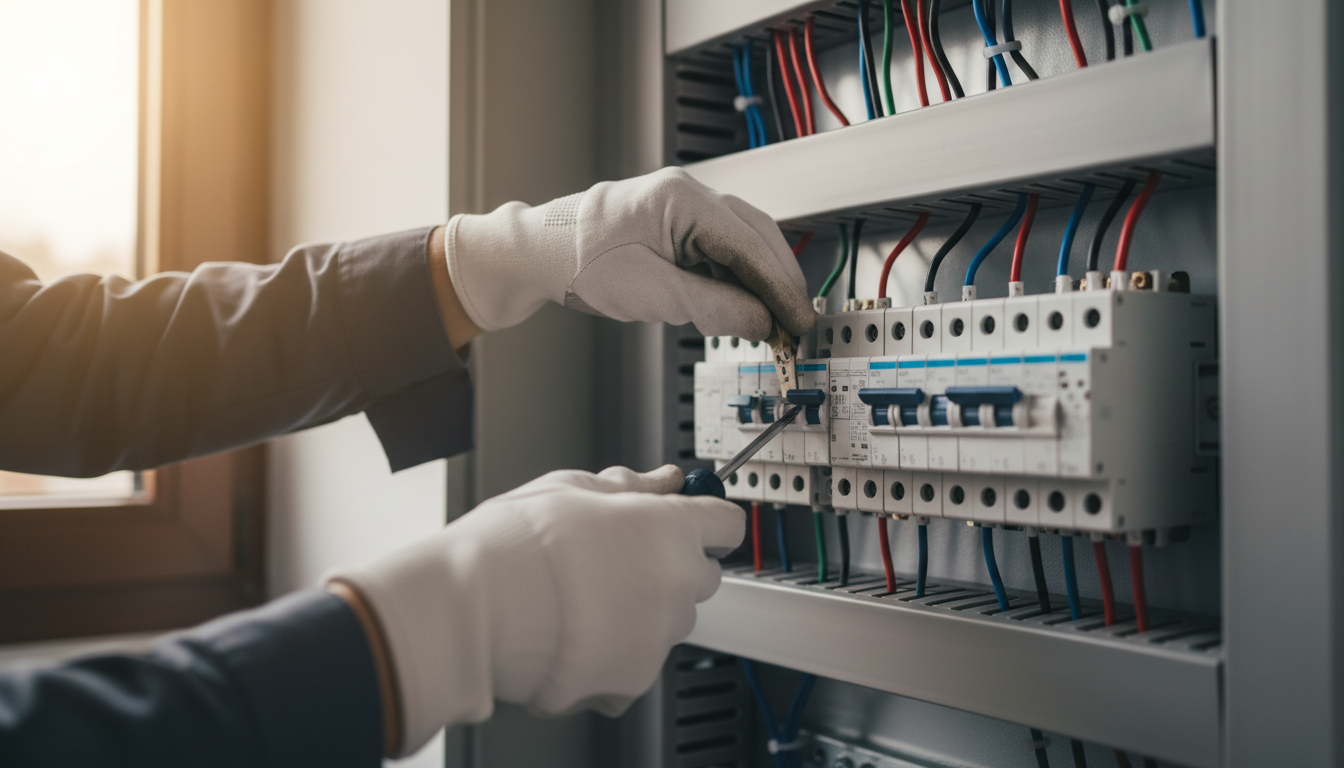
To understand why your system is failing, you must look at the specific way electricity is being diverted or overused. A circuit breaker is essentially a gatekeeper, and it reacts to four distinct electrical events.
Overloaded Circuits: This is the most frequent reason a circuit breaker keeps tripping. Think of a circuit like a narrow hallway. If too many people try to rush through at once, everyone gets stuck. In electrical terms, if you plug a high-draw appliance like a space heater into a circuit already powering a vacuum or a hair dryer, the total amperage exceeds the breaker's limit, usually 15 or 20 amps. The breaker detects the resulting heat generated by this excess flow and cuts power to protect your home's wiring from melting.
Short Circuits: A short circuit is more severe than a simple overload. It occurs when a hot wire, which is the wire carrying the current, accidentally touches a neutral wire. This creates an immediate path of least resistance, causing a massive, sudden surge of electricity. It is the electrical equivalent of a dam bursting. You may see a visible spark, hear a popping sound, or notice a burning smell when this happens. This often indicates a loose connection within a wall outlet or significant damage to an appliance cord.
Ground Faults: A ground fault is a specific type of short circuit that occurs when the hot wire touches a grounding wire or a metal component, such as the electrical box itself. Because the electricity is diverted to the ground rather than following the intended circuit, it poses a significant shock hazard, especially in damp environments like bathrooms, kitchens, or garages. If you suspect this is happening, a residential electrical inspection is necessary to locate the point of contact and ensure the safety of your family.
Arc Faults: Many modern homes in Box Elder County are equipped with Arc Fault Circuit Interrupter (AFCI) breakers. These specialized devices are designed to detect arcing, which is when electricity jumps or sparks between loose or corroded connections. Arcing creates intense heat that can easily ignite nearby wood framing or insulation. Unlike a standard breaker that waits for a massive surge of current, an AFCI is sensitive to the unique electrical signature of a spark, shutting down the circuit before a fire starts. If your breaker trips despite having very few items plugged in, it may be performing this vital safety function.
Why Your Circuit Breaker Trips with Nothing Plugged In
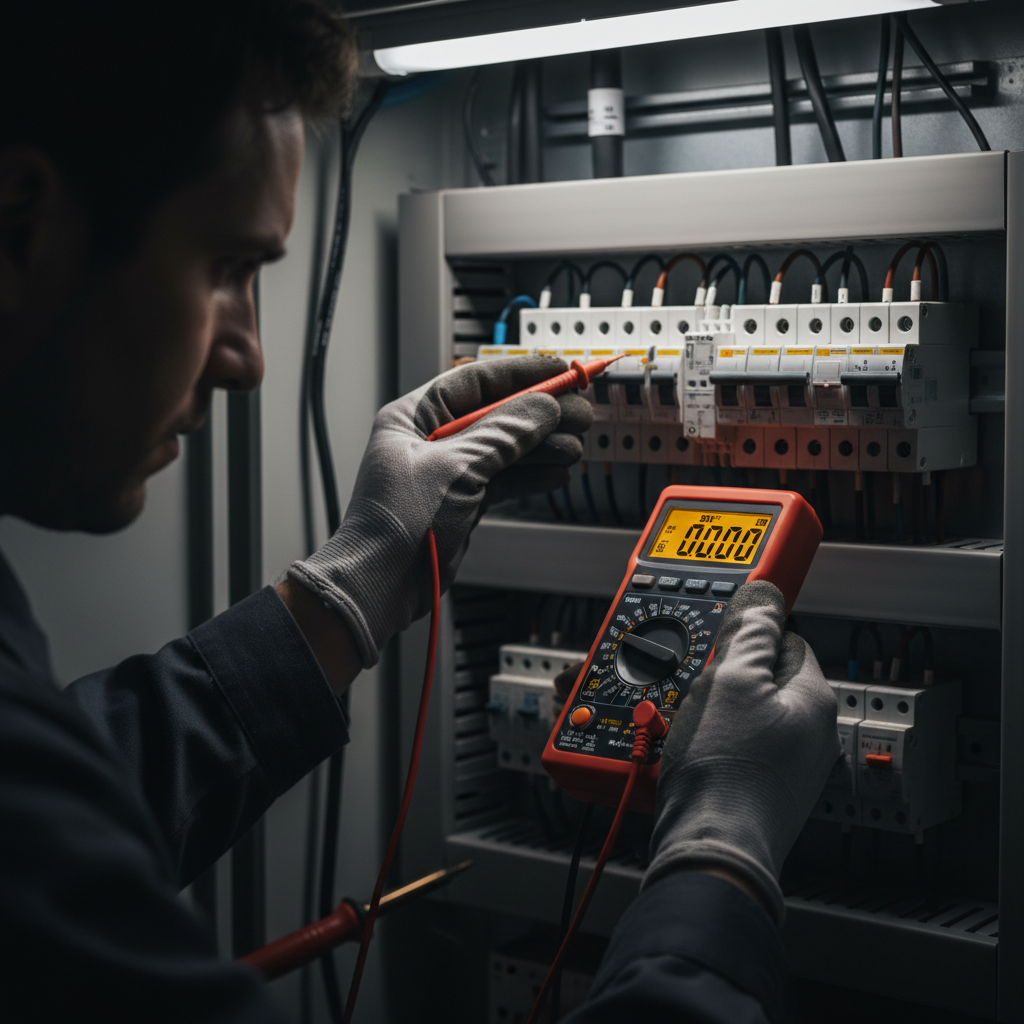
It is particularly baffling when you unplug every lamp, toaster, and charger, yet the circuit breaker keeps tripping. This scenario, often referred to as a "no load" trip, suggests the problem is not a simple overload caused by too many devices. Instead, the issue likely resides within your home’s infrastructure or hardwired equipment.
A "hard" short circuit is a primary suspect. This occurs if wires inside the walls have shifted, or if rodents have chewed through insulation, allowing a hot wire to make direct contact with a neutral or ground wire. Additionally, you must consider your hardwired appliances. While you might have cleared the outlets, your HVAC system, electric water heater, or dishwasher are still connected directly to the panel. A mechanical failure or internal ground fault in these units can draw excessive current and trigger a shutdown regardless of what is plugged into wall sockets.
Finally, the breaker itself may have reached the end of its functional life. Over time, internal components wear out, leading to nuisance trips. However, if a breaker trips immediately after you attempt a reset without any load, do not try a third time. This signifies a direct fault that generates intense heat. To mitigate a significant fire risk, contact a licensed electrician to perform a residential electrical inspection and isolate the fault before re-energizing the circuit.
Utah Weather Impacts: Hot Days and Heavy Rain
Beyond internal wiring issues, the local environment in Box Elder County directly affects your electrical system. Utah’s climate, characterized by intense summer heat and sudden seasonal storms, forces your components to work under extreme conditions.
On high temperature days, electrical resistance increases within your conductors. Most standard breakers use a thermal mechanism that expands and triggers a trip when it gets too hot. When the sun beats down on an exterior service panel or an uninsulated garage, the ambient temperature inside the box rises significantly. If you then add the heavy load of a central air conditioning unit, the breaker may reach its thermal limit much faster than usual. This is why a circuit breaker keeps tripping in hot weather; it is often a combination of high ambient heat and high demand.
Moisture introduces a different set of risks. If you notice a circuit breaker keeps tripping after rain, it typically indicates water is compromising an outdoor component. Common culprits include cracked weather-proof covers on patio outlets, water pooling in landscape lighting, or degraded seals on the service mast where power enters the home. When water enters these systems, it creates a path to the ground, triggering the breaker to prevent a shock. If moisture reaches the main panel through a worn meter socket, it can cause internal corrosion and long-term reliability issues. To identify these environmental weak points, a residential electrical inspection is the most effective way to ensure your home remains safe during Northern Utah's unpredictable weather cycles. We offer these professional electrical solutions to help homeowners harden their systems against these external factors.
How Much Does It Cost to Fix a Tripping Breaker in Utah?
Budgeting for repairs is a practical concern for any Utah homeowner facing electrical issues. In the Box Elder County market, the cost to resolve why a circuit breaker keeps tripping depends largely on the severity of the fault discovered during a residential electrical inspection.
Most projects fall into one of three categories:
Simple Breaker Replacement: If the internal mechanism of the breaker is worn out, replacing a standard 15 or 20 amp unit typically ranges from $150 to $250. This price includes both the component and the labor to install it safely.
Diagnostic Services: When the cause is not immediately obvious, electricians charge a diagnostic fee to trace short circuits or ground faults within your walls. Expect to pay between $100 and $300 for the expertise and specialized equipment required to locate hidden wiring issues.
Significant Panel Repairs: If the breaker tripped due to a damaged bus bar or if the entire system is outdated, a panel upgrade may be necessary. These larger professional electrical solutions generally range from $2,000 to $4,500 depending on the panel amperage and local permit requirements.
Anders Electrical prioritizes clear communication throughout this process. We provide upfront estimates before starting work, ensuring that you understand the scope of the repair and never face surprise bills when the job is finished. If you are concerned about repair costs, contact a licensed electrician for a clear assessment of your specific system needs.
DIY Troubleshooting: What to Do Before Calling an Electrician
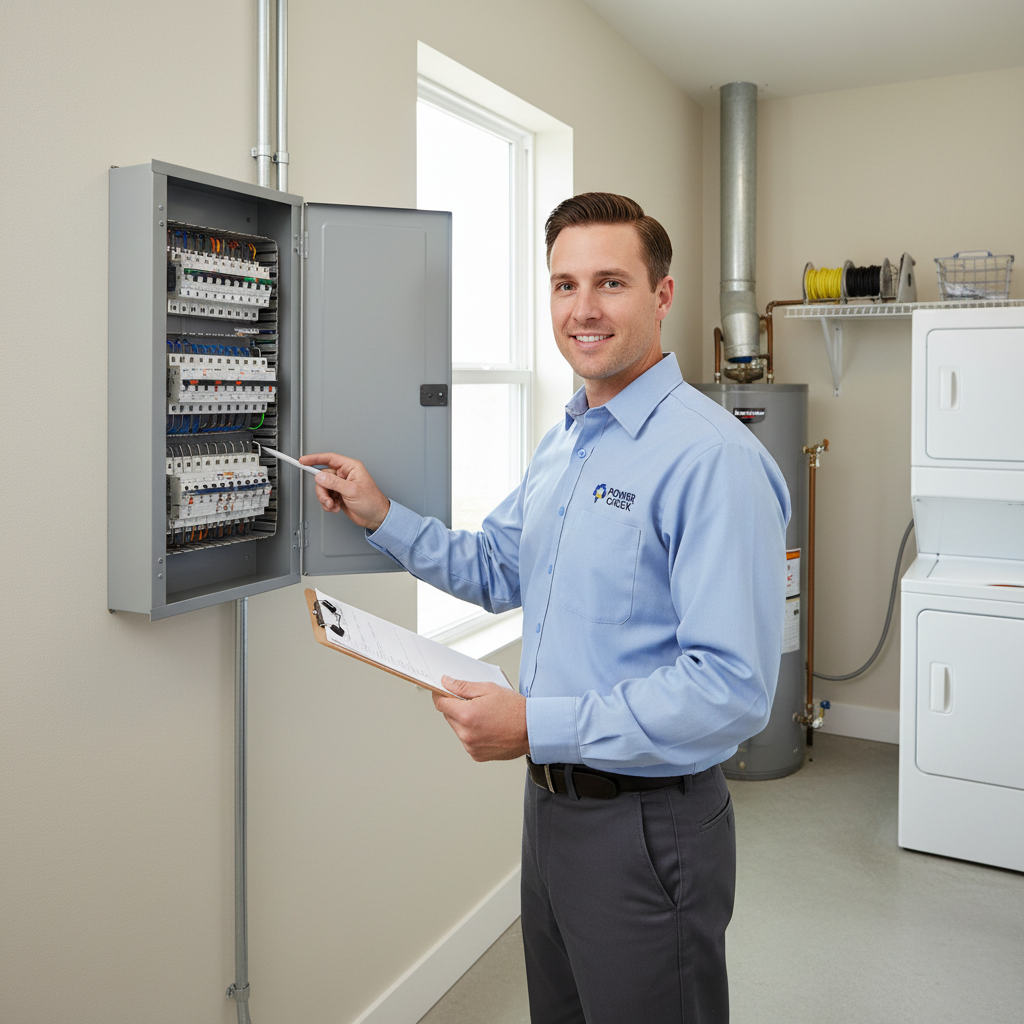
Before you request a residential electrical inspection, you can perform a few simple checks to see if the issue is a faulty device rather than your home's infrastructure. Start by locating the tripped breaker in your service panel. It will usually be sitting in a middle position between "On" and "Off." A common mistake is trying to push it directly to "On." To properly reset the mechanism, you must first push the switch firmly to the "Off" position until you feel or hear a distinct click, then flip it back to "On."
If the circuit breaker keeps tripping immediately, unplug every device connected to that specific circuit. This includes lamps, chargers, and small kitchen appliances. With everything removed, try to reset the breaker again. If it stays on, the problem is likely one of your devices. Reintroduce them one at a time, testing each as you go. You may find that a specific toaster or high-wattage hair dryer is drawing too much current or has an internal short that triggers the shutdown.
However, if the breaker trips even when nothing is plugged in, or if it feels spongy and won't lock into place, stop troubleshooting. Never attempt to tape or hold a breaker in the "On" position. This bypasses the safety mechanism and can lead to an electrical fire. At this stage, it is time to contact a licensed electrician to provide professional electrical solutions and ensure your panel is operating safely.
When to Call a Licensed Electrician
Identifying a hardware failure requires professional diagnostic tools. If your circuit breaker keeps tripping after you have unplugged all devices, it indicates a fault within the permanent wiring or the panel itself. Look for specific warning signs that signal a fire hazard. A faint smell of ozone or burning plastic, visible scorch marks on the breaker casing, or a panel cover that feels hot to the touch all require immediate attention.
These issues often stem from loose terminal connections or degraded insulation that only a professional can resolve. You should contact a licensed electrician to ensure all work meets the current National Electrical Code (NEC) standards required in Utah. Licensed professionals carry the necessary insurance to protect your property and have the expertise to perform a residential electrical inspection that pinpoints the source of the heat. Attempting to repair a damaged service panel without proper training puts your home at risk for arc flashes or structural fires. Relying on professional electrical solutions ensures your system remains compliant and safe for your family.
Maintaining a functional electrical system is essential for both convenience and safety in your Utah home. While identifying common triggers like overloaded outlets is helpful, some issues require a more technical perspective to prevent future hazards. If you want expert help diagnosing your breaker problems or would like to learn more About Anders Electrical and our local experience, we are happy to assist. Reliable power should be a standard, not a constant struggle for every homeowner.