Choosing a whole home generator Utah system depends on your budget and power needs; standby models typically cost between $7,000 and $18,000 for full installation. While gas-powered generators provide immediate and long-lasting energy during outages, battery backup systems offer a silent and eco-friendly alternative for homeowners seeking renewable storage solutions.
Utah homeowners often find themselves at the mercy of unpredictable mountain storms or aging infrastructure, leaving families in the dark during record-breaking cold or intense summer heat waves. When the grid fails, your home’s safety and comfort become immediate priorities, especially when considering the risk of frozen pipes or spoiled food. At Anders Electrical, we believe that true peace of mind comes from a well-planned energy strategy rather than a reactive fix. This guide examines the critical differences between whole home standby generators, portable units, and modern battery backup systems. We will break down the reliability of each option, explore the specific installation costs in Utah, and review the essential NEC code requirements to ensure your investment is both safe and compliant. By the end, you will know exactly which solution fits your household needs and budget.
Navigating Utah Power Outages: Why Homeowners are Choosing Backup Power
Utah homeowners face unique environmental challenges that can compromise grid stability. In Box Elder County and across the Wasatch Front, heavy winter snow loads and high wind gusts frequently lead to Rocky Mountain Power outages. These interruptions are more than an inconvenience; they can result in frozen pipes, lost work hours for remote employees, or the failure of critical medical equipment. To mitigate these risks, many residents are investing in a whole home generator Utah solution to ensure their households remain operational regardless of weather conditions.
Selecting the appropriate backup system requires a practical assessment of your property and lifestyle. A small home with basic lighting needs requires a different approach than a 3,000 square foot residence running multiple HVAC units and electric appliances. Factors such as budget, existing electrical infrastructure, and specific uptime requirements for home offices influence the final design. Anders Electrical provides reliable electrical solutions tailored to these local conditions, helping you determine if a permanent standby unit, a portable setup, or a battery system best meets your needs. If your current system is outdated, you might also consider residential electrical panel upgrades to support a new power source safely. Finding the right balance ensures you are not overspending on capacity you do not need while still maintaining a safe, powered home.
Whole Home Standby Generators: The Gold Standard for Reliability
A standby generator is a permanent outdoor installation, similar in appearance and footprint to a central air conditioning unit. Unlike portable models, these systems connect directly to your home’s existing natural gas line or an on site propane tank. This direct fuel connection is a significant advantage in Utah, as natural gas infrastructure is buried and rarely affected by the heavy snow or high winds that bring down overhead power lines. This design eliminates the need for manual refueling, removing the risk and hassle of handling gasoline in the middle of a storm.
The defining feature of a whole home generator Utah installation is the Automatic Transfer Switch (ATS). This component acts as the brain of the system, constantly monitoring the voltage coming from the utility grid. When Rocky Mountain Power’s service drops, the ATS signals the generator to start and then safely disconnects the home from the grid to prevent backfeeding. Within 10 to 20 seconds, the system transfers the electrical load to the generator. This process occurs automatically, ensuring that your home remains powered even if you are away or asleep when the outage begins.
These units are engineered to handle the heavy electrical loads common in larger Utah residences. Leading brands like Generac and Kohler offer various capacities that can support high-draw appliances such as central HVAC systems, well pumps, and electric water heaters. By providing consistent, high-wattage output, a standby system allows you to maintain your standard quality of life during a prolonged winter outage or a summer brownout. If your property requires high-capacity backup, you can contact Anders Electrical to discuss how reliable electrical solutions and proper sizing can protect your home’s most critical systems.
Portable Generators: A Budget-Friendly Manual Alternative
Portable generators offer a lower entry price point for Utah homeowners who want backup power without the five-figure investment of a permanent standby system. These units function as a mid-tier alternative, providing enough electricity to maintain basic comforts during a grid failure. While the equipment cost is significantly lower, the primary trade-off is the manual labor involved. When a storm hits, you must physically move the unit out of storage, fill it with fuel, and connect it to your home.
There is a critical distinction between running extension cords through a cracked window and a professional installation. For a safe and practical setup, Anders Electrical installs manual transfer switches or interlock kits. These components allow the generator to feed power directly into your electrical panel, enabling you to use your existing wall outlets and light switches. If your current infrastructure is outdated, residential electrical panel upgrades may be required to safely accommodate the generator connection.
Safety is the most vital consideration when using portable power. Rocky Mountain Power guidelines strictly forbid "backfeeding," which occurs when a generator is plugged into a standard wall outlet. This dangerous practice sends electricity back into the utility lines, potentially electrocuting line workers attempting to restore service. Furthermore, carbon monoxide poisoning is a lethal risk. Portable units must always be operated outdoors in a well-ventilated area, at least 20 feet away from windows and doors, and never inside a garage or crawlspace.
While a permanent whole home generator Utah installation can carry a 3,000 square foot home's entire load, portable units are best suited for essentials. They excel at keeping refrigerators running, charging devices, and powering a few LED light circuits, but they generally lack the wattage to start large central air conditioners or electric furnaces.
Home Battery Backup: The Quiet and Modern Solution
Home battery systems, such as the Tesla Powerwall, offer a technologically advanced alternative to traditional combustion engines. When evaluating a battery backup vs generator for Utah residents, the primary benefit is the seamless, silent transition. Because these systems rely on lithium-ion cells rather than an internal combustion engine, there are no moving parts, no noise, and no exhaust fumes. This makes them an excellent choice for residential neighborhoods in Box Elder County where noise levels or close proximity to neighbors are a concern.
These systems integrate most effectively when paired with solar arrays, allowing the battery to recharge during daylight hours. While the upfront investment for a battery is typically higher than a standard whole home generator Utah installation, the ongoing operational cost is virtually zero since there is no natural gas or propane to purchase. However, the trade-off is finite capacity. A battery system provides a specific amount of kilowatt-hours; once that energy is spent, the home will lose power unless the solar panels can replenish the charge. In contrast, a natural gas standby generator can run for weeks if necessary, provided the utility gas lines remain active.
Integrating a battery backup requires precise electrical engineering to manage the discharge rate effectively. Often, residential electrical panel upgrades are necessary to isolate a dedicated sub-panel for essential loads, ensuring the battery does not deplete prematurely on non-essential appliances. If you are weighing these two technologies, you can contact Anders Electrical to review your home's load profile and determine which reliable electrical solutions best fit your long-term energy goals.
Whole Home Generator Installation Utah Cost Breakdown
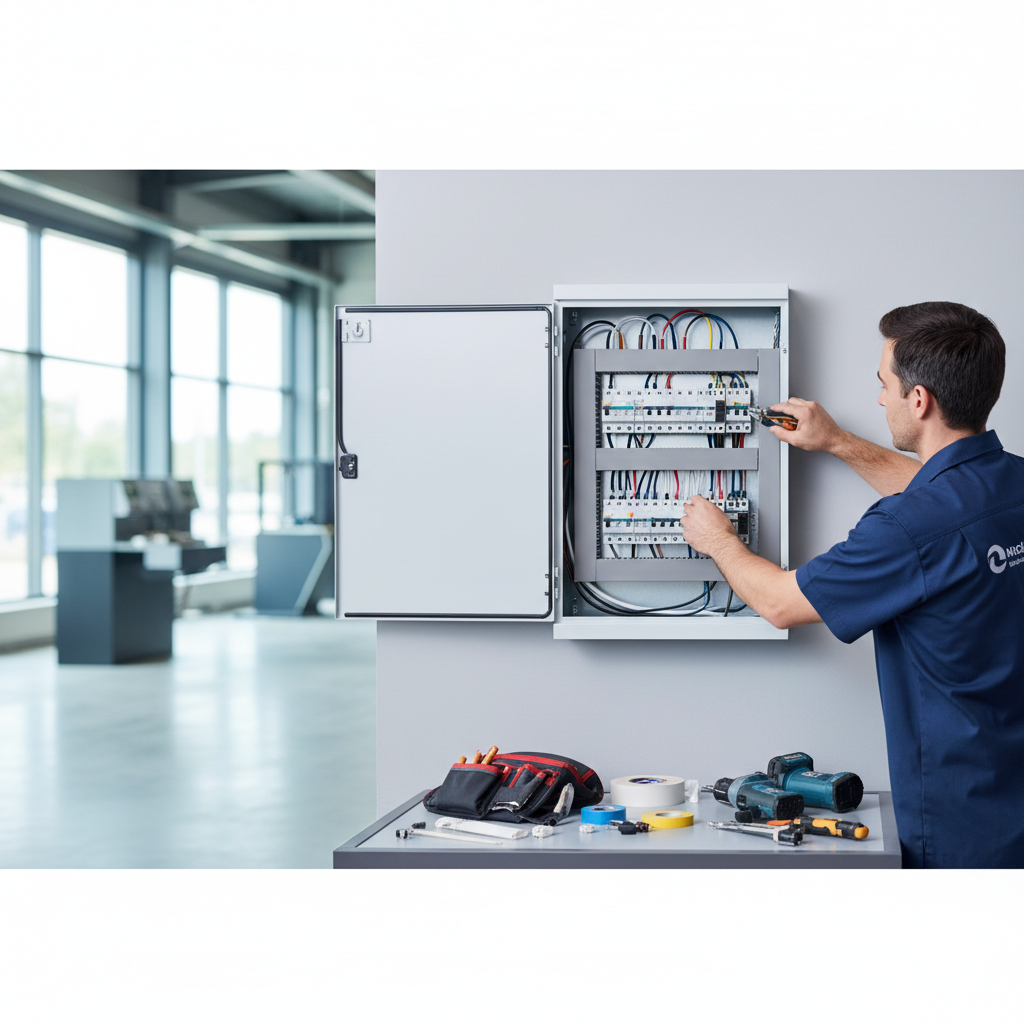
Investing in a whole home generator Utah installation involves both the equipment cost and the technical labor required to integrate the system into your property’s existing infrastructure. In Box Elder County and the surrounding Wasatch Front, a turnkey installation generally ranges from $9,000 to over $18,000. These figures cover the generator unit, the automatic transfer switch, and the professional electrical and gas connections required for a code compliant setup.
Generator Capacity (kW) | Estimated Turnkey Cost | Ideal Property Type |
|---|---|---|
14kW | $9,000 to $12,000 | Small to mid-sized homes (approx. 2,000 sq ft) |
18kW to 22kW | $11,000 to $15,500 | Average family homes with high HVAC loads |
26kW | $13,500 to $18,000+ | Large estates with significant electric demands |
For a standard 2,000 square foot residence, a 14kW to 18kW unit usually provides sufficient capacity to manage essential circuits and climate control. However, site specific variables influence these estimates. The physical distance between your natural gas meter and the generator location dictates the amount of trenching and pipework required. Additionally, your current service capacity plays a role; residential electrical panel upgrades are sometimes necessary to safely accommodate the automatic transfer switch. The complexity of your wiring and the number of circuits being backed up will also affect the total labor. You can contact Anders Electrical for a detailed site assessment to receive a precise quote for reliable electrical solutions tailored to your property.
Key Differences: Comparing Capacity, Fuel, and Maintenance
Choosing between these systems requires balancing fuel availability with long term upkeep. In Box Elder County, most standby units tap directly into the natural gas line, providing a continuous fuel source that is not vulnerable to road closures or delivery delays. For rural properties without utility gas, liquid propane serves as the standard alternative. Battery systems rely solely on electricity, storing energy from the grid or on site solar panels to provide silent power.
Sizing a system involves more than just matching square footage to a kilowatt rating. A common professional benchmark for sizing is to calculate the total wattage of all essential circuits and then add a 20 percent buffer to account for the high "surge" power required when HVAC compressors or well pumps first kick on. For a typical 2,000 square foot home in the Wasatch Front, a 20kW unit is often the recommended capacity to ensure the entire household can run without tripping breakers during peak demand.
Maintenance requirements also distinguish these technologies. A whole home generator Utah installation functions much like a vehicle engine; it requires annual oil and filter changes, battery testing, and spark plug replacements to remain reliable. In contrast, battery backups are virtually maintenance free. However, battery systems often require residential electrical panel upgrades to integrate properly with your home’s wiring. If you need help calculating your home’s peak demand, you can contact Anders Electrical to discuss reliable electrical solutions tailored to your specific property.
Essential Safety and NEC Code Compliance in Utah
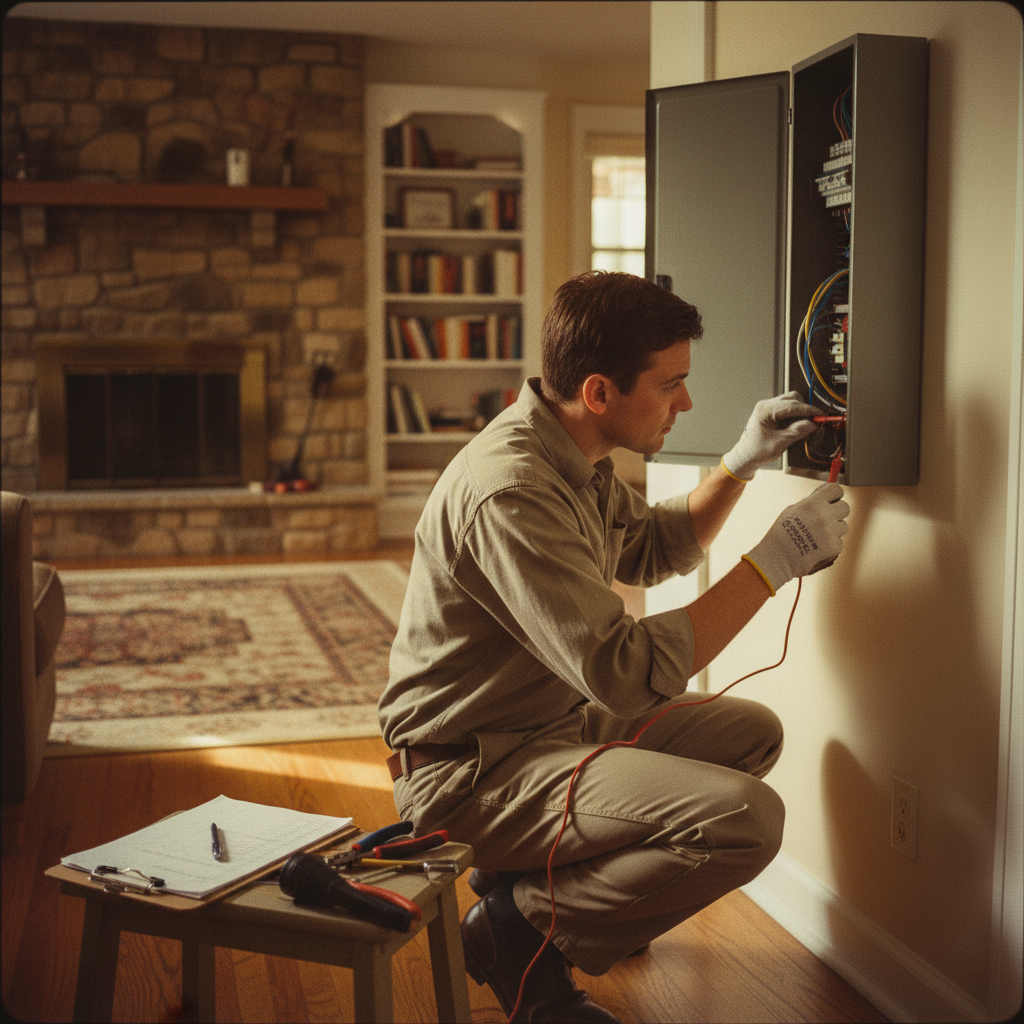
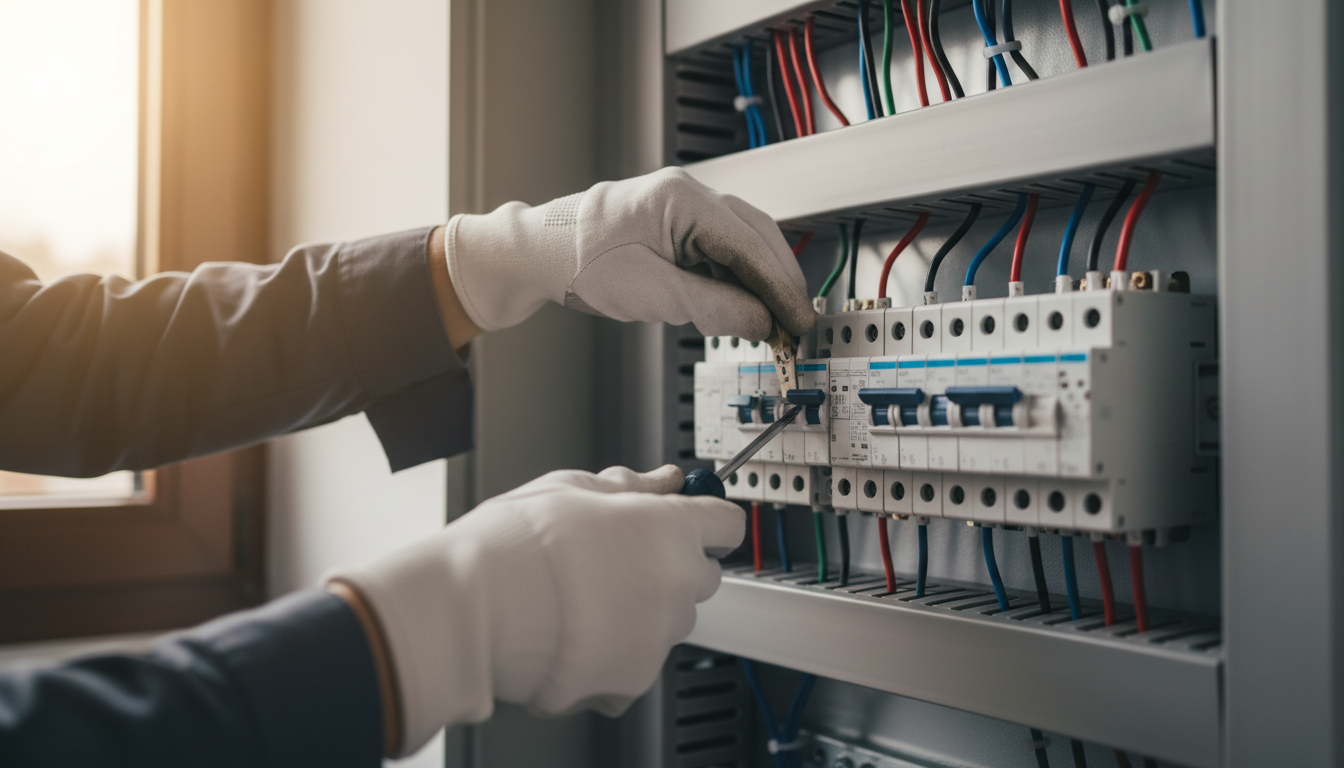
Safety is the most critical aspect of any whole home generator Utah installation. Electrical work of this magnitude must adhere strictly to the National Electrical Code (NEC) and local Box Elder County building standards. Attempting a DIY installation is dangerous; it often results in improper grounding or incorrect bonding, which can lead to electrical fires or equipment damage. Professional electricians ensure that the system is correctly grounded, providing a dedicated path for excess electricity to discharge safely into the earth rather than through your home’s sensitive electronics.
The main electrical panel acts as the gateway for your backup power. If your existing infrastructure is dated, residential electrical panel upgrades are necessary to ensure the transfer switch and generator circuits operate within safe thermal limits. Beyond immediate safety, professional oversight is a requirement for maintaining your equipment warranty. Most manufacturers, including Generac and Kohler, require certified installation for warranty claims to be honored. Furthermore, an unpermitted or non-compliant installation can lead to the denial of insurance claims if an electrical event occurs. For a system that meets every local safety standard, you can contact Anders Electrical to implement reliable electrical solutions for your property.
Selecting the right backup power solution for your Utah home requires balancing cost, convenience, and your specific energy requirements. Whether you prefer the automatic reliability of a standby generator or the clean energy of a battery system, the choice impacts your comfort during an outage. If you want expert help navigating these options, you can read more about our team to see how we support local homeowners. We are here to ensure your property remains powered through any season.