Outdoor lighting electrical safety Utah requires strict adherence to National Electrical Code standards, specifically ensuring all exterior receptacles are GFCI protected to prevent electrical hazards. Homeowners should also verify their system capacity to determine if an electrical panel upgrade cost is necessary for the safe installation of new landscape and security lights.
Utah homeowners often invest heavily in their outdoor living spaces, only to find that the state’s extreme temperature swings and heavy snowfall quickly expose weaknesses in DIY electrical work. A flickering path light or a repeatedly tripped breaker is not just a nuisance; it is a clear signal that your exterior wiring may be failing to meet safety standards. At Anders Electrical, we know that proper installation is the only way to ensure your property remains safe and functional throughout the year. In this guide, we will examine the critical NEC standards for outdoor systems, explain Utah’s specific dark sky ordinances, and discuss how to weatherproof your lighting against the mountain seasons. You will also discover how to evaluate your current electrical panel capacity and prevent circuit overloads during the holiday season, ensuring your home stays bright and compliant.
Essential NEC Standards for Outdoor Electrical Systems in Utah
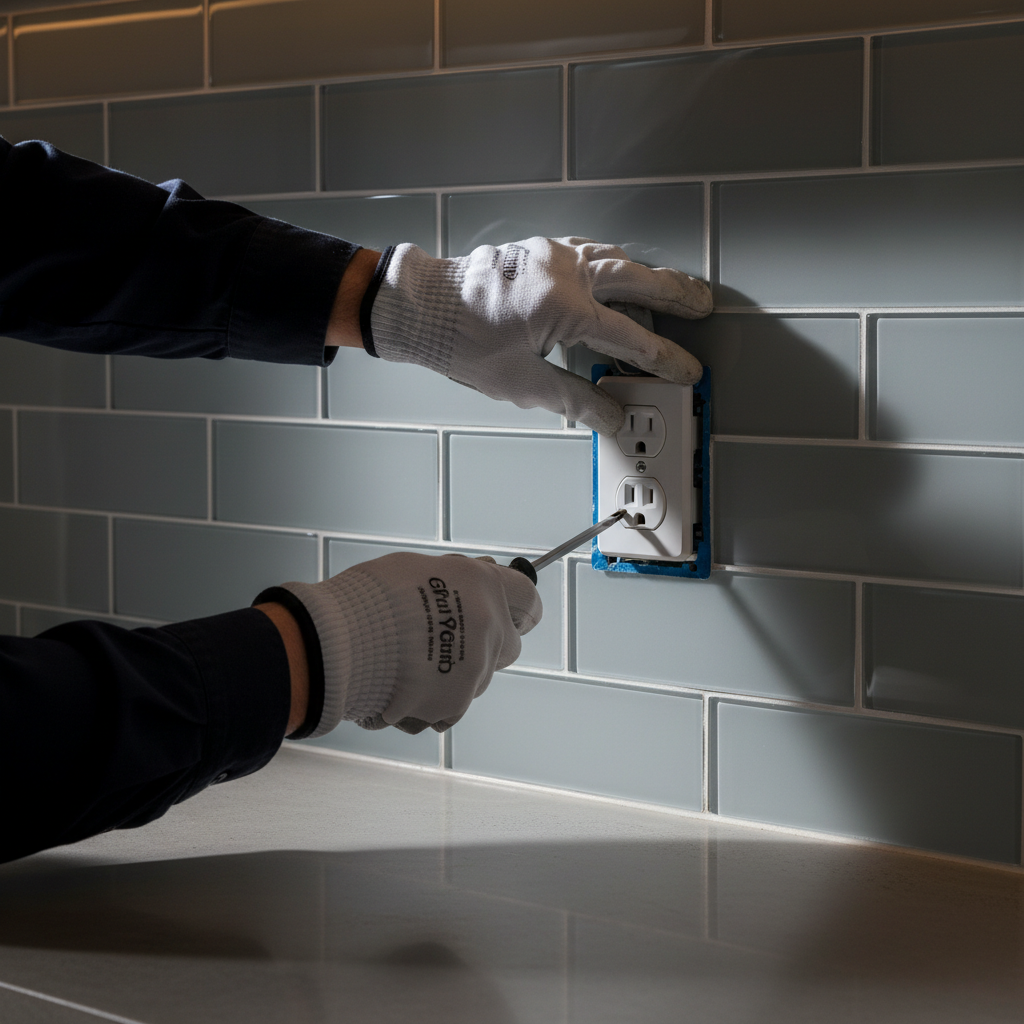
Maintaining outdoor lighting electrical safety Utah homeowners can rely on starts with strict adherence to the National Electrical Code (NEC). The most critical safety requirement for exterior systems is Ground Fault Circuit Interrupter (GFCI) protection, governed by Section 210.8(A). This mandate ensures that any receptacle located outdoors, where moisture and ground contact increase the risk of shock, will trip the circuit instantly if a fault is detected.
A common question homeowners ask is whether outdoor outlets need to be GFCI if they are covered by a porch roof or deep eave. The answer is a definitive yes. The NEC classifies these as outdoor locations regardless of overhead cover, as they are still subject to humidity, wind-driven rain, and temperature fluctuations. Even in a semi-protected environment, the potential for a ground fault remains high.
As code cycles evolve, these protections are expanding. While the 2023 NEC reinforced GFCI requirements for outdoor dwelling unit outlets, the upcoming 2026 NEC updates are expected to further clarify and broaden Section 210.8(F). This section increasingly covers outdoor outlets for equipment beyond just standard plug-in receptacles, including certain hardwired exterior appliances. Staying ahead of these changes prevents the need for costly retrofits when you decide to sell your home or upgrade your system.
For residents in Box Elder County, staying current with these changes is vital for both safety and property inspections. Anders Electrical provides professional electrical solutions that prioritize these shifting standards. By integrating the latest 2023 requirements and preparing for 2026 benchmarks, our team ensures that your landscape and security lighting systems are not just functional, but fully compliant with modern safety protocols. If you have questions about your current setup, you can contact Anders Electrical for a code compliance review.
Navigating Utah Local Ordinances: Dark Skies and Kelvin Ratings
Beyond the national safety codes, Utah residents must navigate specific local ordinances aimed at preserving the state's natural beauty. Many municipalities, particularly in high-elevation areas like Park City and mountain communities surrounding Box Elder County, have adopted Dark Sky initiatives. These regulations are designed to minimize light pollution, ensuring that artificial glare does not obstruct the view of the stars or disrupt local wildlife cycles.
A key technical requirement in these ordinances involves the Kelvin rating of your bulbs. To comply with most Utah stewardship goals, outdoor lightbulbs should be rated at 3,000 Kelvin or less. Bulbs with higher Kelvin ratings emit a cooler, bluer light that scatters more easily in the atmosphere, contributing significantly to sky glow. Warm, amber-toned lighting is the professional standard for both environmental friendliness and aesthetic appeal in the high desert.
Maintaining outdoor lighting electrical safety Utah homeowners value involves more than just choosing the right bulb; it requires smart control integration. Implementing devices like dimmers, timers, or motion sensors allows you to meet local light-reduction requirements without sacrificing security. Motion sensors, for instance, ensure that high-output lights only activate when necessary, reducing overall light pollution while still providing visibility for safe passage. If you are planning an upgrade to ensure your home meets these local standards, contact Anders Electrical for professional electrical solutions tailored to Utah's unique environmental landscape.
Professional Installation for Landscape Lighting: Weatherproofing Against Utah Seasons
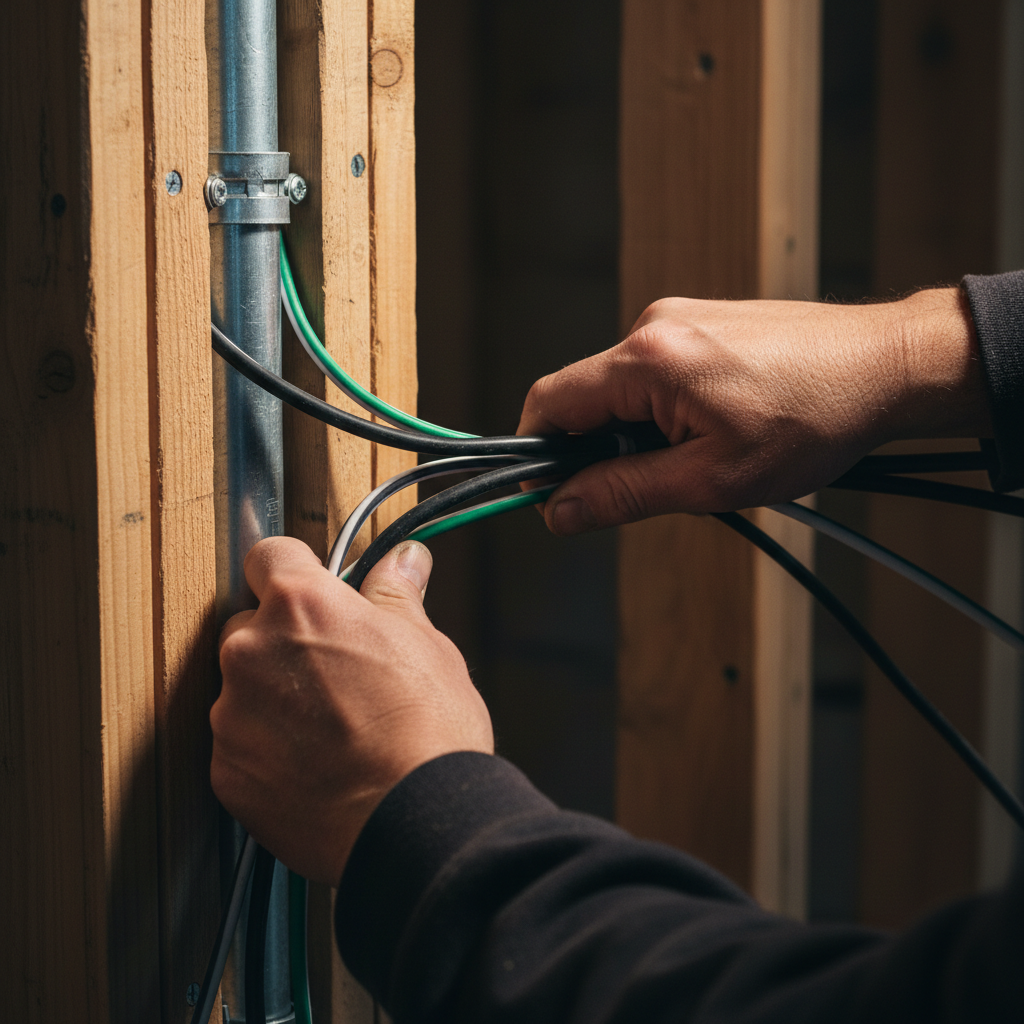
Building a system that prioritizes outdoor lighting electrical safety Utah homeowners expect requires more than just high-quality bulbs; it requires an infrastructure built for longevity. A professional landscape lighting system consists of three primary components: the transformer, the low-voltage cable, and the fixtures themselves. The transformer serves as the heart of the system, stepping down 120V household current to a safer 12V or 15V range. This device must be mounted correctly and connected to a Weather-Resistant (WR) receptacle designed to withstand high-desert humidity and temperature swings.
Under modern electrical standards, these outdoor receptacles must be protected by an in-use or extra-duty cover. Unlike traditional flip-lids that only offer protection when the outlet is empty, in-use covers feature a deep housing that allows a cord to remain plugged in while the waterproof seal remains intact. This is a vital barrier against snow melt and heavy spring rains, preventing moisture from tracking into the socket and causing nuisance tripping or terminal corrosion.
The physical installation of the cable also demands precision to survive Box Elder County’s aggressive freeze-thaw cycles. Soil expansion and contraction can easily push shallow, poorly installed wires to the surface, exposing them to UV damage or landscaping tools. Professional installation follows NEC burial depth requirements; for example, direct-buried low-voltage cable generally requires at least six inches of depth, while higher voltage lines in PVC conduit typically require 18 inches. Selecting professional electrical solutions ensures that transitions from the house to the garden are protected by the correct conduit types to prevent ground shifts from snapping connections.
DIY installations often fail due to undersized transformers or improper wire splices. When connections are not sealed with waterproof connectors or heat-shrink tubing, alkaline soil can corrode copper wires within a single season. To avoid these common pitfalls and ensure your system remains compliant with local codes, you can contact Anders Electrical for an expert installation designed for the Utah elements.
Preventing Circuit Overload During Utah Winter Holidays
Utah winters bring heavy electrical demands, particularly when holiday displays are added to existing landscape systems. To maintain outdoor lighting electrical safety Utah residents must understand the limits of their circuits. Most outdoor circuits are rated for 20 amps, but safety standards dictate that a continuous load should never exceed 80 percent of the circuit’s total capacity. This means a 20-amp circuit is effectively limited to 16 amps of sustained power to prevent the breaker from overheating.
Homeowners often ask how many Christmas lights they can put on a 20-amp circuit. The answer depends entirely on the bulb type. Traditional incandescent strings can pull roughly 0.4 amps each, meaning you might reach your safe 16-amp limit with only 40 strings. In contrast, modern LED strings pull as little as 0.02 to 0.07 amps per string. This efficiency allows for significantly larger displays without risking a circuit trip or a fire.
Calculating load is only half the battle; physical management of the cords is equally vital. Daisy-chaining multiple extension cords creates high-resistance points that generate heat, which can lead to insulation failure over time. Furthermore, Box Elder County’s heavy snowfall poses a unique threat. As snow melts, moisture can seep into cord connections lying on the frozen ground, causing immediate short circuits or GFCI trips. To prevent this, all plug connections should be elevated off the ground or sealed in dedicated weatherproof cord gaskets. If you find your breakers tripping frequently during the holidays, it may be a sign that your exterior wiring requires professional electrical solutions to safely handle the load. For a dedicated holiday lighting circuit installation, you can contact Anders Electrical to ensure your seasonal display meets code.
Determining if Your Electrical Panel Can Handle New Outdoor Lighting

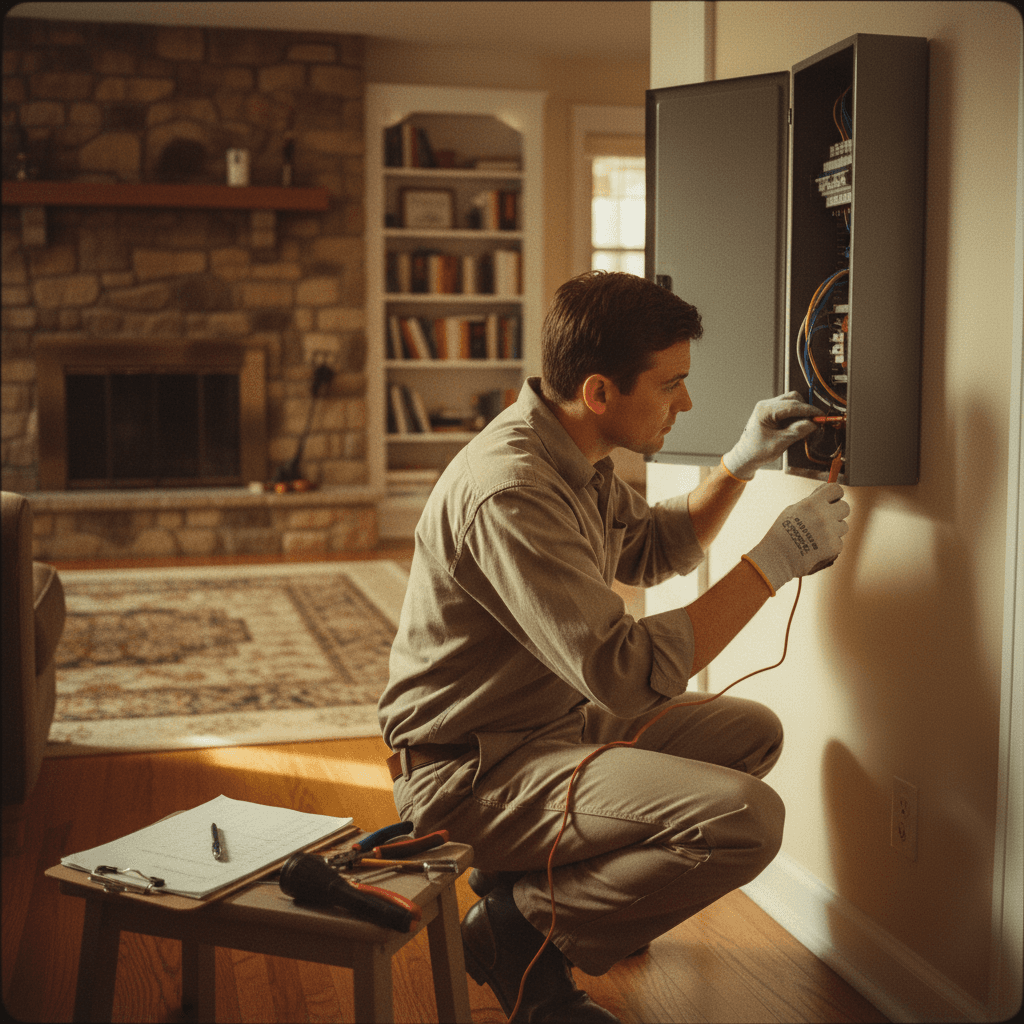
Expanding your exterior illumination requires more than just adding breakers; it requires a calculated look at your home’s total electrical panel amperage. Before installing a multi-zone landscape system or several high-wattage security floodlights, you must determine if your existing service can support the increased demand. You can identify your panel’s capacity by locating the main breaker, usually a large switch at the top or bottom of the breaker array, which will be stamped with a number like 100, 150, or 200.
Many older homes throughout Box Elder County operate on 60-amp or 100-amp service. While these were standard decades ago, they often lack the headroom for modern outdoor lighting electrical safety Utah homeowners need when adding significant exterior loads. If your panel is already full or if you notice lights flickering when large appliances kick on, you are likely at capacity. Adding new outdoor circuits to an undersized system can cause the main breaker to trip or lead to heat buildup within the bus bars.
In these cases, an electrical panel upgrade is the safest path forward to ensure long-term reliability. If you are unsure how to calculate your current load or if your panel shows signs of corrosion or physical wear, you can contact Anders Electrical for a professional load calculation and system assessment. Ensuring your panel is properly sized prevents premature component failure and keeps your outdoor lighting system operating within safe parameters.
Safety Considerations for Exterior Security Lighting
Once you confirm your panel can support the load, the physical placement of fixtures determines the long-term outdoor lighting electrical safety Utah properties require. When homeowners ask, "What are the safety considerations for exterior lighting?" they must look beyond just visibility. High-output floodlights, especially older halogen models, generate significant thermal energy. These must be mounted with sufficient clearance from combustible materials like wooden eaves or vinyl siding to prevent scorching or ignition. Modern LED fixtures run cooler, but they still require airflow to ensure the internal drivers do not overheat and fail prematurely.
Strategically placed security lighting serves a dual purpose; it illuminates walkways to prevent trips and falls while deterring intruders. A common technical mistake involves placing motion sensors where they create deep shadows or blind spots near entry points. Sensors should be positioned to overlap coverage areas, ensuring a continuous path of light as a person moves toward the building.
Safety also extends to the wiring infrastructure. A well-lit path provides little benefit if the underlying electrical work is a fire hazard. Professionals ensure that all exterior security fixtures are properly grounded and that wire nuts are housed in junction boxes specifically rated for wet locations. If you are upgrading your home’s protection, contact Anders Electrical for professional electrical solutions that balance effective security with strict adherence to safety protocols. Proper installation ensures your system remains a durable asset rather than a liability.