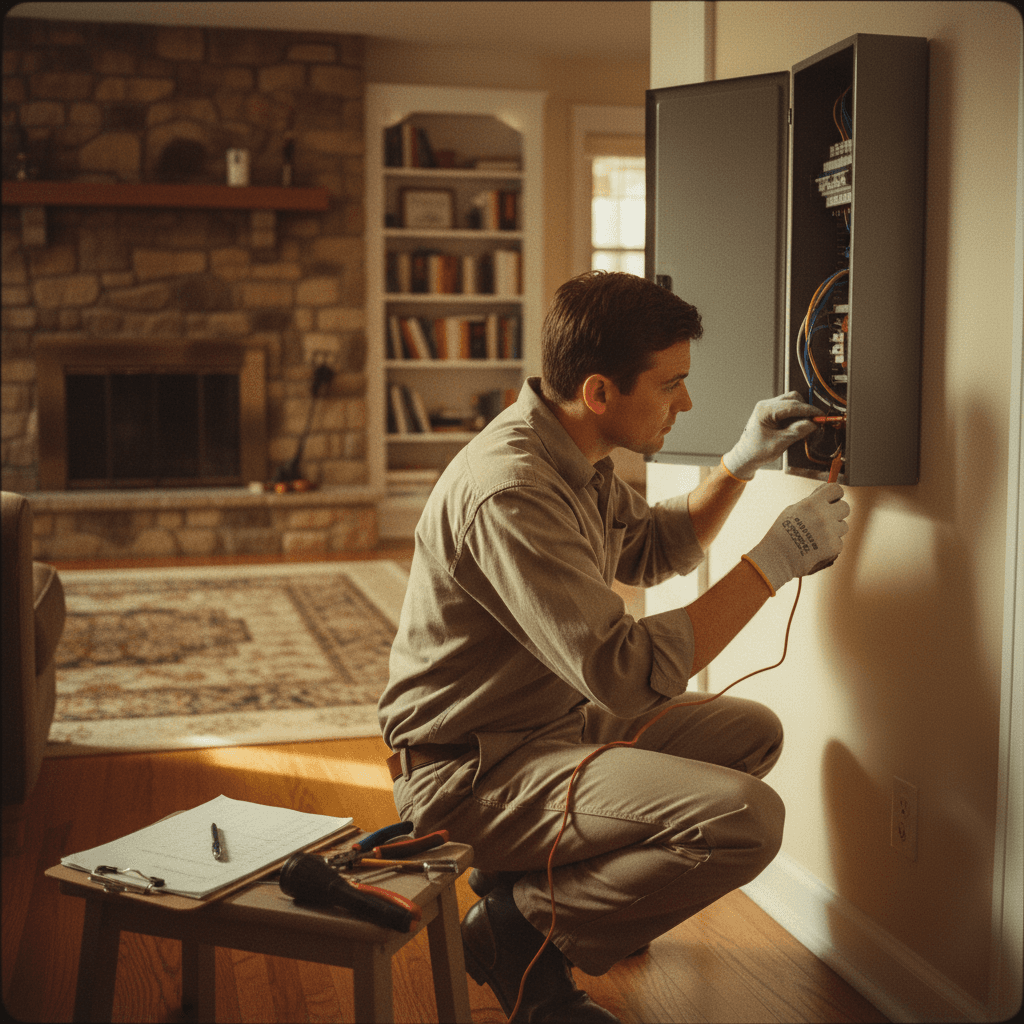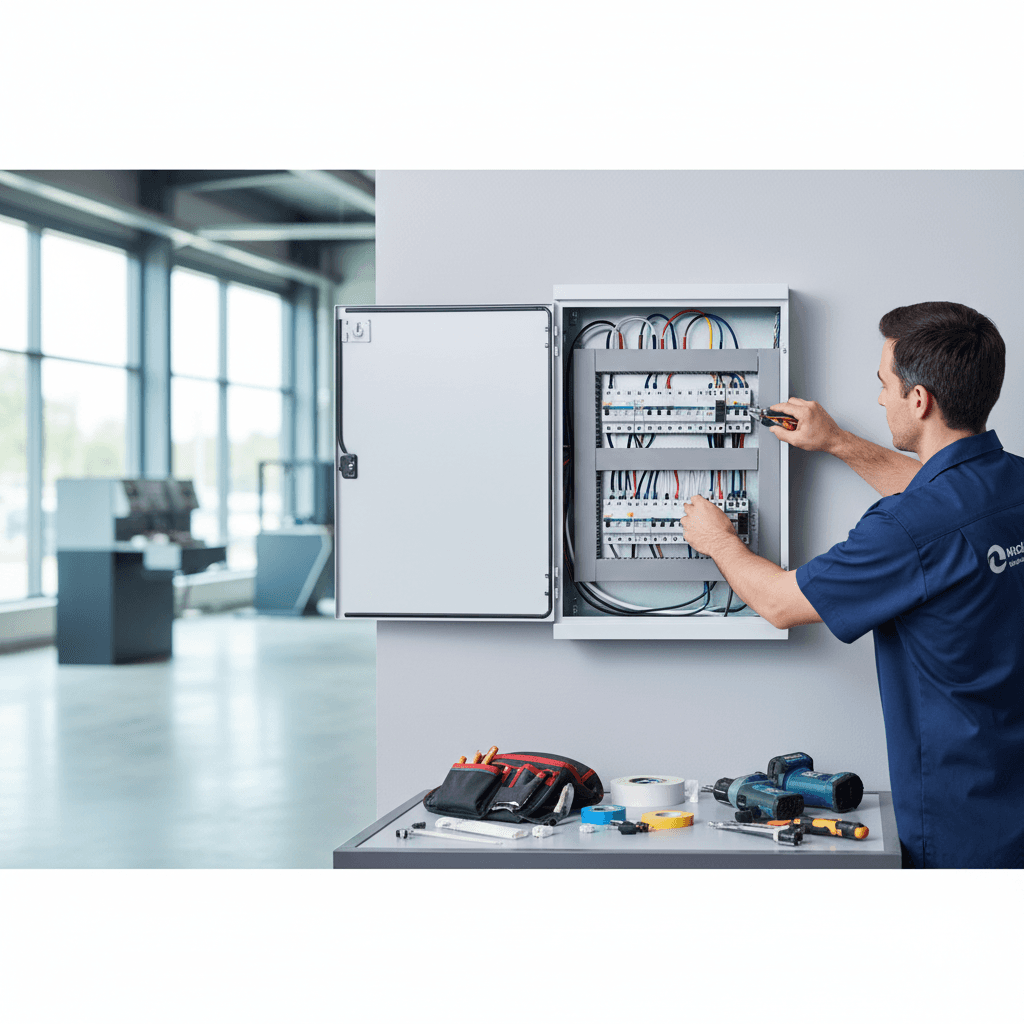
Whole home surge protection Utah typically costs between $300 and $800 for professional installation, providing critical defense against voltage spikes that damage sensitive electronics. These systems are now required by the National Electrical Code for new residential constructions and service upgrades; they protect every appliance by diverting excess electricity safely into the ground.
Between the unpredictable mountain thunderstorms and the constant fluctuations of the local power grid, Utah homeowners are increasingly vulnerable to costly electrical damage. A single voltage spike can instantly compromise your sophisticated appliances, smart home systems, and HVAC units; this leads to thousands of dollars in avoidable repairs. At Anders Electrical, we understand that modern homes require more than just basic power strips to remain safe. In this guide, we will break down the essential components of whole home surge protection, including the recent NEC 2023 mandates that impact local property owners. You will discover the practical differences between Type 1 and Type 2 devices, the true costs of professional installation in Northern Utah, and why a layered defense strategy is the only way to fully secure your electrical investment.
Why Utah Homeowners Need Whole Home Surge Protection Now
Utah residents are no strangers to the dramatic weather shifts that occur during the monsoon season in July and August. Across the Wasatch Front and throughout Box Elder County, these months bring a high frequency of lightning strikes that pose a direct, immediate threat to residential electrical systems. A single strike to a nearby transformer or power line can send a massive voltage spike into your house, instantly destroying circuit boards in expensive appliances.
Lightning is not the only culprit, however. Homeowners often overlook the "silent" damage caused by smaller, repetitive surges. These internal surges occur dozens of times a day, often triggered by high-draw appliances like air conditioning units or refrigerator compressors cycling on and off. While these spikes are less dramatic than a lightning bolt, they steadily degrade the sensitive microprocessors found in modern smart homes, LED lighting, and computers over time.
Utility grid switching also introduces fluctuations that can bypass standard power strips. For those seeking professional electrical solutions to safeguard their property, understanding these diverse threats is the first step toward resilience. Modern electronics are more interconnected and fragile than the appliances of previous decades, making whole home surge protection Utah homeowners can depend on a necessity for equipment longevity. If you have concerns about your current panel's ability to handle these spikes, you can contact Anders Electrical to evaluate your home's specific vulnerabilities before the next storm cycle hits.
Is Surge Protection Required in Utah? Understanding NEC 2023 Article 230.67
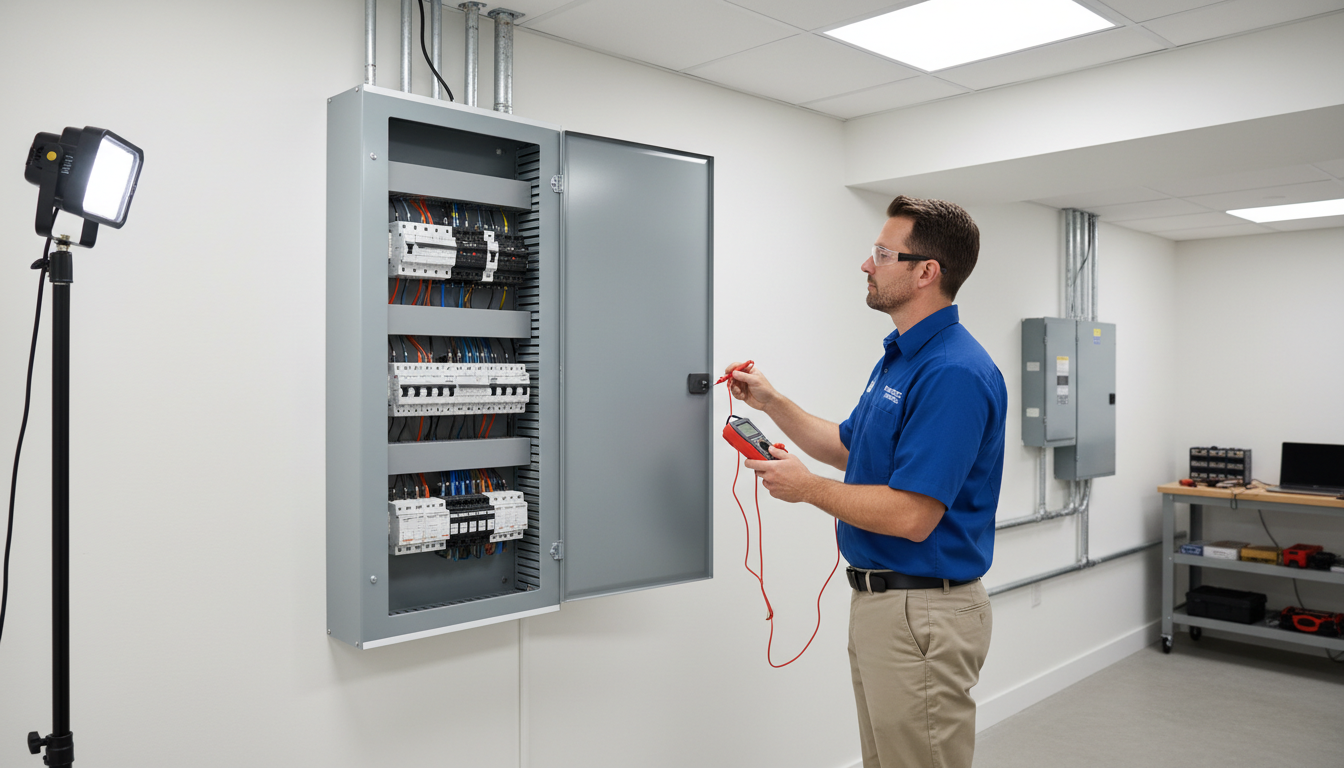
Many homeowners ask if surge protection is a recommendation or a requirement. Under the National Electrical Code (NEC) 2023, specifically Article 230.67, the answer is increasingly "required." This article mandates that all new and replaced service equipment supplying dwelling units must have a Type 1 or Type 2 surge protective device (SPD) installed as part of the system.
If you are planning a new home build or a significant electrical panel upgrade in Box Elder County, your project must comply with these standards. Local inspectors along the Wasatch Front look for this specific safety feature before clearing a final inspection. The NEC committee updated these rules because modern home systems, from smart thermostats to high efficiency HVAC units, are highly susceptible to voltage spikes that were less of a concern for older, purely mechanical appliances.
For owners of older homes not currently undergoing renovations, the code is not retroactive. However, NEC 2023 serves as the current safety benchmark. Even if the law does not strictly force a retrofit, installing whole home surge protection Utah residents rely on is the best way to bring an aging electrical system up to modern safety expectations. Implementing these professional electrical solutions ensures your home matches the resilience of a new build. If you are unsure if your current setup meets these standards, you can contact Anders Electrical for a code compliance review.
Whole Home Surge Protector Installation Cost in Northern Utah
Understanding the financial investment is essential when upgrading your home's resilience. While national platforms like Reddit or Angi often cite a broad price range between $300 and $1,000, several localized factors influence the final quote for whole home surge protection Utah homeowners receive. The primary variable is the hardware's kA rating, which measures the maximum surge current the device can safely divert.
Protection Level | kA Rating Range | Recommended Application |
|---|---|---|
Standard | 25kA – 50kA | Basic residential protection for standard appliances. |
High Capacity | 80kA | Homes with high end HVAC and sensitive smart tech. |
Heavy Duty | 108kA+ | Areas with frequent lightning or high value electronics. |
Beyond the device itself, the complexity of your electrical panel plays a role. A professional installation usually takes between one and two hours; however, older panels or those with limited physical space may require more labor to safely integrate the device. Anders Electrical focuses on providing professional electrical solutions that prioritize long term value.
When weighing the cost, consider your homeowner's insurance policy. Most deductibles in Northern Utah range from $500 to $2,500. A single surge event that damages your refrigerator, dishwasher, and home theater system will likely cost more in deductible payments alone than the entire installation of a high quality surge protector. By investing upfront, you eliminate the risk of these out of pocket expenses and the hassle of equipment replacement. If you want a specific estimate tailored to your panel's current configuration, you can contact Anders Electrical for a detailed assessment.
Type 1 vs Type 2 Surge Protectors: What Is the Difference?
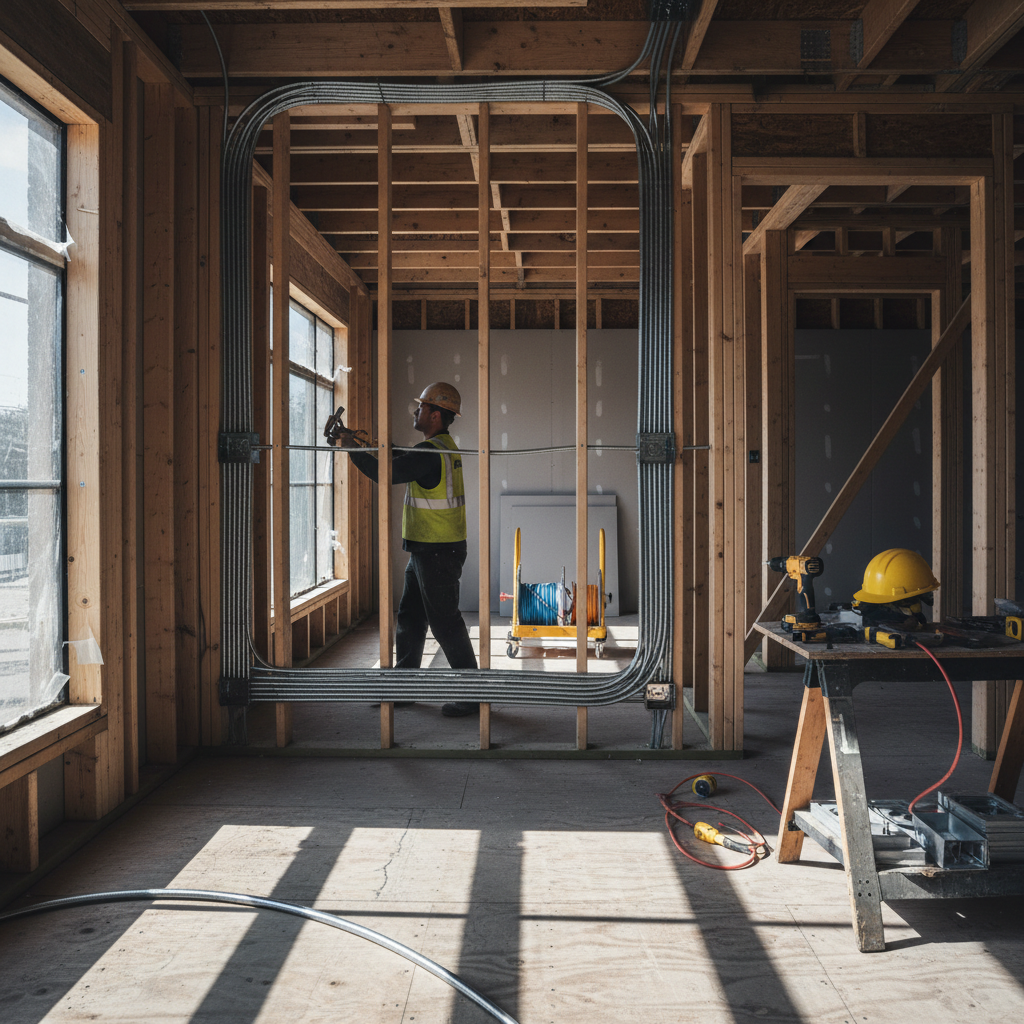
Understanding the hardware specifications is just as important as the installation cost. Surge Protective Devices (SPDs) are categorized by where they sit in relation to your home's main disconnect. Type 1 SPDs are installed on the line side of the service entrance, typically at the meter or between the utility transformer and the main breaker. These units are designed to handle the massive external surges coming directly from the grid before they even enter your home's wiring.
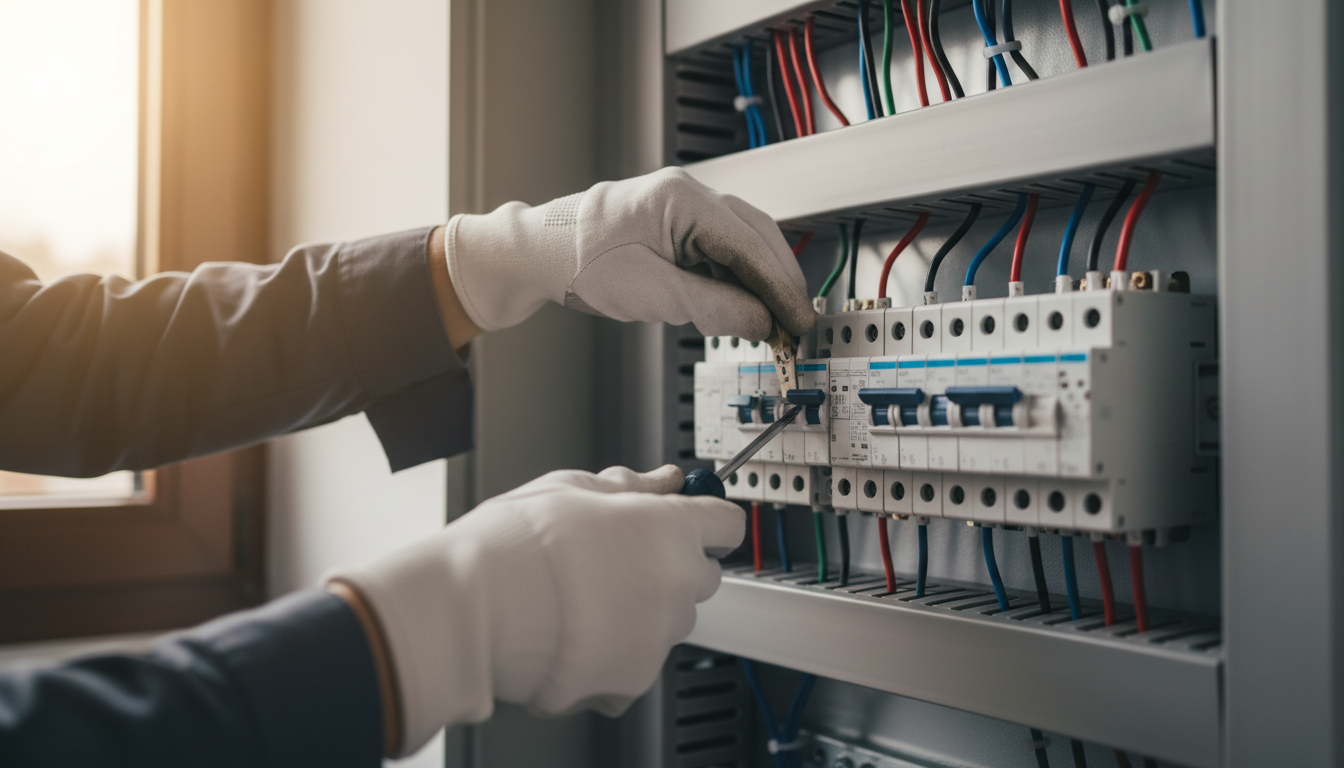
In contrast, Type 2 SPDs are installed on the load side of the main service disconnect. This means they are integrated directly into your electrical panel; they either snap into a breaker slot or mount to the side of the enclosure. Because they are easier to access and install within an existing system, Type 2 units are the industry standard for residential retrofits. We frequently utilize high quality hardware from manufacturers like Square D and Eaton to provide these professional electrical solutions. These devices protect all the circuits downstream from the panel, offering a robust defense against both external spikes and internal surges generated by your own appliances. If you need assistance determining which unit fits your specific panel brand or layout, you can contact Anders Electrical for expert guidance on whole home surge protection Utah homeowners can trust for long term durability.
Do Whole House Surge Protectors Work Against Lightning?
Utah’s intense summer storms often leave homeowners asking if a single device can truly stop a lightning bolt. The answer requires some nuance. A direct strike to your physical structure involves millions of volts of energy, a force that even the most robust industrial hardware cannot fully stop. However, direct hits are statistically rare. Most electrical damage during a Northern Utah storm comes from indirect strikes.
When lightning hits a nearby transformer or travels through utility lines in Box Elder County, it creates a massive voltage spike that rushes toward your panel. High quality whole home surge protection Utah residents install works by "clamping" this excess voltage. The device detects the spike instantly and diverts the surge safely to the ground before it can reach your refrigerator, home office, or HVAC system. By choosing professional electrical solutions, you ensure the grounding path is sufficient to handle these high energy events. If you are concerned about your home’s lightning resilience, you can contact Anders Electrical to verify your system’s grounding integrity and current protection level.
Why You Still Need Surge Strips: The Layered Protection Approach
A common misconception among homeowners in Box Elder County is that a panel-mounted unit provides absolute, total coverage for every device. While whole home surge protection Utah families invest in acts as a robust primary gatekeeper, it works best as part of a layered or cascading defense strategy. Your main service panel unit, typically a Type 2 device, is designed to intercept large external spikes from the utility grid or nearby lightning strikes. However, many smaller surges originate from within your own four walls.
High-draw appliances like vacuum cleaners, hair dryers, and refrigerator compressors generate internal voltage spikes every time they cycle on or off. Because these surges occur on the branch circuit, they can reach sensitive electronics on the same circuit before the panel-based protector can fully divert the energy. This is where Type 3 point-of-use surge strips become essential. These strips provide the final line of defense for high-value equipment like gaming PCs, home theater systems, and smart kitchen appliances. By utilizing these professional electrical solutions in tandem, you ensure that residual voltage not captured at the panel is safely clamped at the outlet. If you want to verify that your current outlet-level protection is sufficient for your setup, you can contact Anders Electrical for a comprehensive home safety evaluation.
Professional Installation vs DIY: Why the Panel Matters
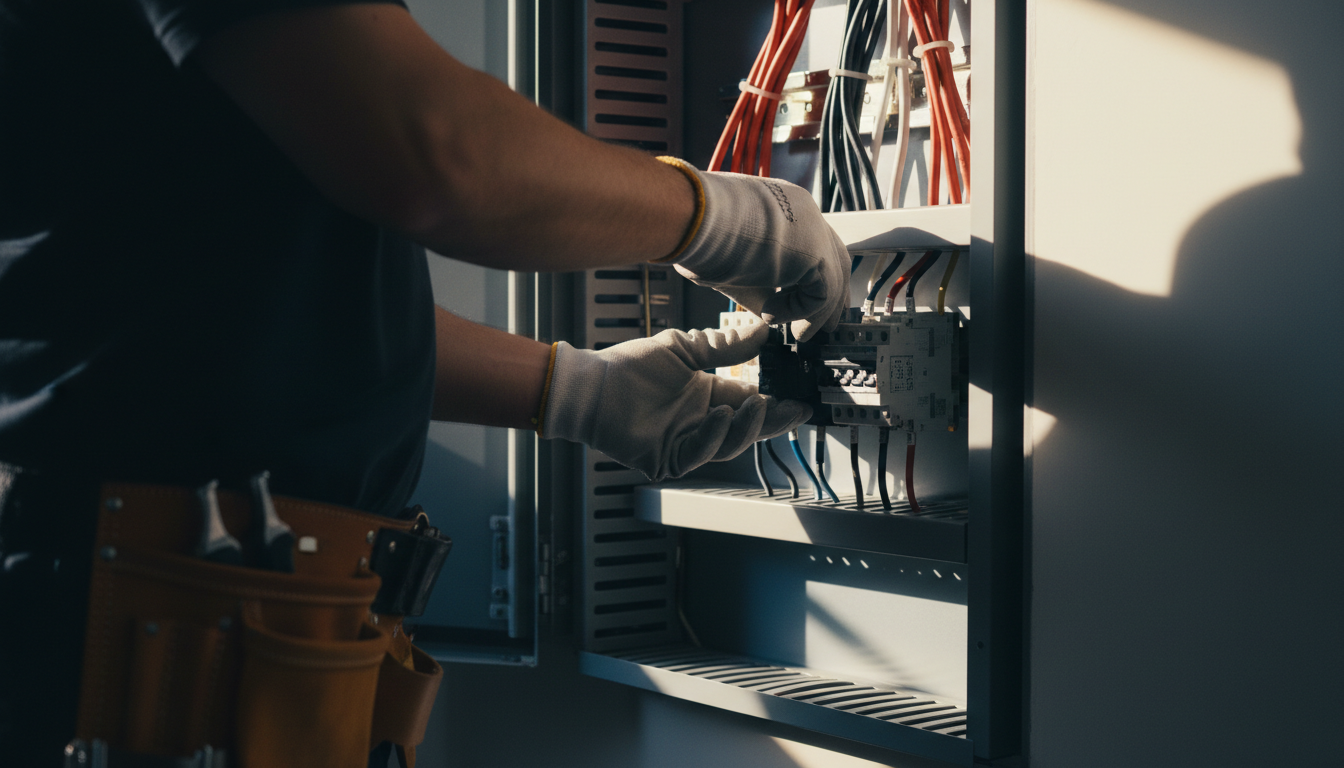
The convenience of online tutorials often leads homeowners to consider a DIY approach for electrical upgrades. However, the main service panel is not the place for experimentation. Even with the main breaker turned off, the lugs and bus bars connected to the utility line remain energized with high voltage. A single slip with a screwdriver can lead to an arc flash or severe injury, making this a task strictly for licensed professionals.
Beyond physical safety, the effectiveness of whole home surge protection Utah residents rely on depends heavily on precise installation. Manufacturers like Eaton and Square D offer substantial connected equipment warranties, some covering up to $75,000 in damages. These warranties are almost universally voided if the device is not installed by a licensed electrician. A technician ensures that the lead wires are kept as short and straight as possible; every extra inch of wire adds impedance, which can significantly delay the device's response time during a spike.
Proper grounding is another critical factor that DIYers often overlook. A surge protector functions by dumping excess energy into the earth. If your home's grounding system is outdated, loose, or poorly bonded, the protector has nowhere to send the voltage, rendering the device useless. When you choose professional electrical solutions from Anders Electrical, we verify that your grounding electrode system meets modern standards. Our team ensures that your installation is fully compliant with NEC 2023, giving you peace of mind that your warranty is valid and your electronics are truly safe. For a secure installation that protects your investment, contact Anders Electrical to schedule a visit from a qualified technician.
Protecting your Utah home from unpredictable power surges is a vital step in maintaining modern safety standards and preserving your valuable electronics. While understanding the NEC requirements and cost factors is helpful, implementing these upgrades correctly requires specialized knowledge and precision. If you want expert help securing your electrical system, our team at Anders Electrical is ready to assist. You can learn more about our commitment to quality service and local expertise by visiting our dedicated page today. We are here to ensure your property remains safe and fully compliant.