Aluminum wiring Utah poses a significant fire hazard in older properties because it expands and contracts more than copper, which often leads to loose connections and overheating. Homeowners should monitor for warning signs like flickering lights or warm switches; they should consult a professional electrician to discuss remediation or rewiring options. These proactive steps ensure the electrical system remains safe and compliant with modern building standards.
Owners of historic Utah properties often enjoy a unique architectural legacy, yet many live with a growing concern about what lies behind their drywall. If you have noticed warm outlet covers, flickering lights, or the faint smell of burning plastic, your home may be harboring the risks associated with knob and tube or aluminum wiring. These outdated systems are not merely inefficient; they represent significant fire hazards and major hurdles for insurance coverage and real estate transactions. At Anders Electrical, we believe homeowners deserve practical, expert guidance on managing these legacy systems. In this guide, we will break down the specific dangers of aluminum wiring in Utah, highlight seven warning signs of failure, and explain your options for modernizing your electrical system to ensure long-term safety and compliance.
The Hidden Legacy of Older Utah Homes: Why Wiring Matters
Box Elder County and neighboring areas like Ogden and Logan are renowned for their historic charm. From the ornate details of Victorian estates to the sturdy lines of early 20th-century Craftsman bungalows, these homes offer a character that modern builds often lack. However, the beauty of a mid-century or pioneer-era home frequently masks an aging infrastructure that was never intended for 21st-century demands. When these houses were constructed, electrical needs were limited to basic lighting and perhaps a single small appliance.
Today, the average Utah household powers high-efficiency HVAC systems, multiple computers, large kitchen appliances, and home entertainment setups. This increased load places significant stress on outdated materials. At Anders Electrical, we focus on providing professional electrical solutions that bridge the gap between historic aesthetics and modern safety standards. The most common hazards we encounter in these older properties fall into two categories: knob-and-tube wiring, which was the standard through the 1940s, and aluminum wiring Utah homeowners often find in properties built during the 1960s and 1970s. Both systems represent a mismatch between the original design and current safety codes, creating risks that require expert evaluation to ensure your family and property remain protected. Understanding these legacies is the first step toward maintaining a safe, functional home.
Understanding Knob and Tube Wiring: The Early Era
Knob-and-tube (K&T) wiring was the standard for electrical distribution in North America from the 1880s through the 1940s. Its name describes its specific construction: single-conductor copper wires run through porcelain tubes inserted into holes in wooden floor joists or wall studs, while porcelain knobs support the wires along their length. This method kept the wires physically separated from the wood to prevent fires, a technique that was effective for its time but lacks the safety redundancies required today. You will frequently find these systems in the historic districts of Brigham City and the older, established neighborhoods of Salt Lake City.
There are three primary reasons K&T is considered a significant safety hazard in a modern context. First, the system lacks a grounding wire. Modern residential electrical services rely on a ground to divert excess electricity safely during a fault. Without it, your electronics are at higher risk of damage, and there is an increased chance of electrical shock or fire if a short occurs. Second, the original insulation, typically a combination of rubber and cloth, was not designed to last a century. After 80 to 100 years, this material becomes extremely brittle and often flakes away, leaving energized bare wires exposed inside your walls.
The third hazard involves modern home efficiency upgrades. K&T wiring was designed to dissipate heat into the open air spaces within wall cavities. When homeowners add blown-in fiberglass or cellulose insulation to these older structures, they inadvertently trap that heat. This can cause the wires to overheat and eventually ignite surrounding materials. While homeowners might also be concerned about the aluminum wiring Utah houses utilized in later decades, K&T represents a more aged and structurally fragile risk that requires immediate attention. If you suspect your home still utilizes this legacy system, you should contact Anders Electrical for a thorough safety evaluation.
Aluminum Wiring Utah: The 1960s and 70s Fire Risk
As Utah transitioned into the post-war suburban boom, home construction methods evolved to meet growing demand. Between approximately 1965 and 1973, a significant number of homes were built using aluminum rather than copper for branch circuit wiring. This shift was primarily driven by the skyrocketing cost of copper during that era. While aluminum is an effective conductor, it possesses physical properties that make it inherently less stable than copper when used in residential settings. Consequently, aluminum wiring Utah homeowners encounter today often requires specialized attention to maintain safety.
The primary issue stems from a phenomenon known as thermal expansion. Aluminum expands and contracts significantly more than copper does when it carries an electrical load. Every time you operate a high-draw appliance, the wire heats up and expands; when the appliance is turned off, the wire cools and contracts. Over years of these cycles, the wire can actually creep out from under the terminal screws on outlets and switches. These loose connections create gaps where electrical arcing can occur, generating intense localized heat that can ignite surrounding wood or insulation.
Oxidation presents a secondary, equally dangerous challenge. When aluminum is exposed to air, it develops a layer of aluminum oxide. Unlike copper oxide, which remains relatively conductive, aluminum oxide acts as an insulator. This layer increases electrical resistance at connection points. Higher resistance inevitably leads to higher temperatures. In many cases, these temperatures can reach levels sufficient to melt the plastic casing of a receptacle or start a structure fire without ever tripping a circuit breaker. Because many neighborhoods in northern Utah saw rapid expansion during the late 1960s, this is a widespread concern for residents in established suburban developments. If you live in a home built during this window, securing residential electrical services for a professional inspection is a critical step in fire prevention.
7 Warning Signs of Outdated Wiring in Your Utah Home
Recognizing the physical symptoms of a failing electrical system is the most effective way to prevent a catastrophic fire. When dealing with aged infrastructure, many homeowners ask us: how do you tell if you have an electrical issue in your house? You should view these symptoms as your home’s way of communicating distress before a component fails entirely.
Flickering or Dimming Lights: If lights dip when your furnace or refrigerator starts, the circuit is likely overloaded. If they flicker during high winds, you may have a loose connection at the service head where power enters the home.
Warm Outlet Faceplates: Outlets and switches should never feel warm to the touch. Heat at the receptacle is a primary indicator of resistance, a common problem with aluminum wiring Utah residents face due to the material's tendency to expand and contract.
Strange Burning Smells: Electrical fires often produce a distinct, acrid odor resembling fish or burning plastic. This occurs when the rubber or plastic insulation on knob-and-tube or modern wiring begins to melt from excessive heat.
Buzzing or Sizzling Sounds: Arcing electricity makes a recognizable noise. If you hear buzzing behind a wall or near a switch, current is jumping across a loose connection or a gap in the wiring.
Sparking Outlets: While a tiny static spark can be normal, a large pop or a spark accompanied by heat suggests the outlet itself is failing or the internal wire connections have become dangerously loose.
Frequent Breaker Trips: A circuit breaker that trips often is a safety mechanism doing its job, but it indicates the electrical load exceeds what your legacy wiring was designed to handle.
Stained or Charred Receptacles: Any brown or black discoloration around the plug slots indicates significant heat damage. This is a critical warning sign that a fire may be imminent.
If you notice these red flags, seeking professional electrical solutions is essential to diagnose the root cause. You can contact Anders Electrical for a comprehensive safety audit to determine if these signs point to a need for targeted repairs or a full system upgrade. Addressing these issues early prevents small problems from turning into hazardous emergencies.
Insurance and Real Estate Challenges: Can You Sell a House with Old Wiring?
Beyond the immediate physical dangers, outdated wiring creates significant friction in the Utah real estate market. A common question among homeowners is: can you sell a house with old wiring? While it is legally possible, the process often stalls during the due diligence phase. Most insurance providers throughout the state now refuse to issue new policies on homes with active knob-and-tube or un-remediated aluminum wiring Utah houses often contain. Because homeowners insurance is a prerequisite for most mortgage lenders, a failed electrical inspection can effectively prevent a buyer from securing financing.
During a standard home inspection in Box Elder or Logan, these legacy systems are high-priority flags. If a system is deemed hazardous, the lender may require remediation before the loan is funded. This puts sellers in a difficult position where they must either reduce their asking price significantly or invest in professional electrical solutions before closing the deal.
We provide specialized residential electrical services tailored for these transitions. Anders Electrical offers 'Point of Sale' inspections that provide both buyers and sellers with a clear, documented assessment of the home’s electrical health. If you are preparing to list a historic property or are currently in the middle of a purchase, you should contact Anders Electrical to evaluate the system. A professional evaluation can help you navigate insurance requirements and ensure the transaction proceeds without costly last-minute surprises.
Replacement vs. Remediation: Your Options as a Homeowner
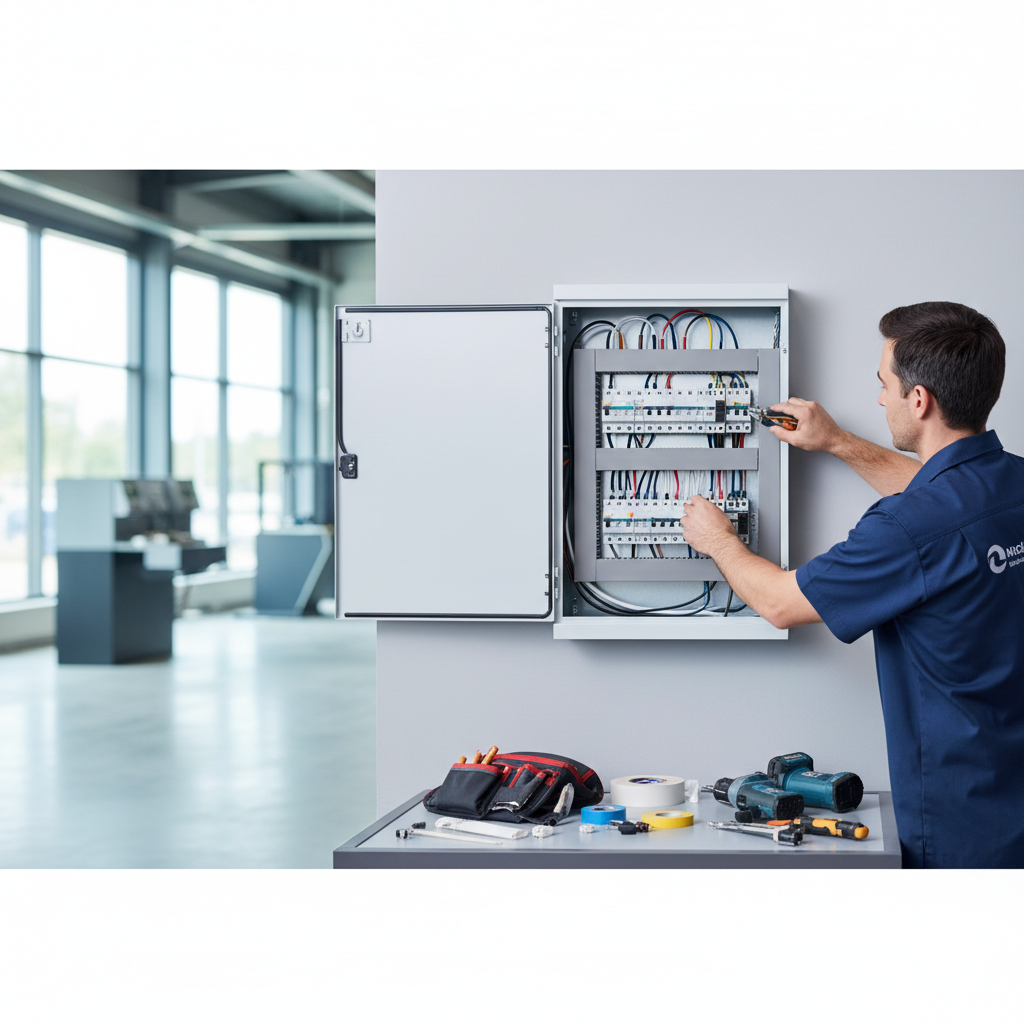
Addressing outdated infrastructure requires a choice between total replacement and targeted remediation. For properties containing aluminum wiring Utah residents have a code-compliant alternative to a full copper rewire. This process, known as pigtailing, involves connecting a short length of copper wire to the existing aluminum branch circuit using specialized connectors. We utilize AlumiConn connectors, which are UL-listed and specifically designed to mitigate the risks of thermal expansion and oxidation. This method secures the connection points at outlets, switches, and junction boxes, providing a long-term safety solution without the invasive cost of tearing into every wall.
Knob-and-tube systems rarely offer such a middle ground. Because these systems lack a ground wire and often feature brittle, failing insulation along the entire length of the conductor, localized repairs are usually insufficient. Safely modernizing a home with knob-and-tube wiring almost always necessitates a full copper rewire to meet current residential electrical services standards and ensure compatibility with modern three-prong grounded appliances.
The cost to rewire a house or perform remediation varies significantly based on three primary factors:
Square Footage and Device Count: Larger homes with more outlets and light fixtures naturally require more materials and labor hours.
Accessibility: Homes with open crawlspaces or accessible attics allow for faster wire pulls; homes with finished basements or multiple floors often require more complex routing.
Wall Construction: Working behind historic lath and plaster is significantly more time-intensive than working with modern drywall.
If you need to weigh these options for your specific property, you can contact Anders Electrical for a detailed site assessment. Our team provides professional electrical solutions that prioritize both long-term safety and project efficiency.