Residential EV charger installation Utah 2026 typically costs between $800 and $2,500, with final pricing determined by electrical panel capacity and adherence to new NEC safety standards. While state-level incentives have expired, eligible homeowners may still qualify for a federal tax credit of up to $1,000 for systems installed before June 30, 2026.
As a Utah homeowner, you might assume installing an EV charger is as simple as mounting a bracket and plugging in a cord, but 2026 has introduced regulatory shifts that catch many residents off guard. Between the stringent updates to the National Electrical Code and the looming expiration of the 30C federal tax credit on June 30, the window for a compliant, cost effective installation is narrowing rapidly. Attempting a DIY setup is no longer just a minor safety risk; it is now a direct violation of updated state laws. At Anders Electrical, we prioritize precision and local compliance over shortcuts. In this guide, you will learn how to navigate the new NEC mandates, what to expect regarding equipment costs along the Wasatch Front, and the specific steps required to secure your financial incentives before the federal deadline passes.
The 2026 Landscape for Utah EV Owners
The rapid adoption of electric vehicles has transformed the commute along the Wasatch Front and throughout Box Elder County. As 2026 begins, local homeowners are transitioning from public charging stations to dedicated residential setups. While charging hardware has become more efficient and user friendly, the regulatory and financial environment surrounding EV charger installation Utah 2026 has become increasingly complex.
This year introduces a convergence of tight deadlines and stricter safety mandates. The federal landscape is shifting as a major tax incentive approaches its expiration date, while local state rebates for single family homes have largely phased out. Simultaneously, the adoption of the 2026 National Electrical Code (NEC) has fundamentally changed how these systems must be installed, wired, and permitted. These updates focus heavily on fire prevention and load management, making professional oversight more critical than ever.
Anders Electrical provides this guide to help you navigate these changes. Our goal is to clarify the rising costs of installation, explain new safety requirements that impact your home insurance, and outline the steps necessary to secure remaining financial incentives. By prioritizing reliable electrical solutions and modern safety standards, we ensure your home remains code compliant. If you have immediate questions about your home capacity, contact our team for a professional assessment.
The June 30 Deadline: Federal Tax Credit (30C) and Utah Incentives
The primary driver for scheduling your EV charger installation Utah 2026 is the looming expiration of the Federal Alternative Fuel Vehicle Refueling Property Tax Credit, commonly known as 30C. This credit allows homeowners to claim 30 percent of the total cost for hardware and labor, capped at $1,000. However, the internal revenue code is strict regarding timing. Your equipment must be fully operational and in service by June 30, 2026, to qualify for the filing year.
In years past, Utah residents could stack federal incentives with state-level tax credits and local utility rebates. As of mid-2026, that landscape has changed. The Utah state tax credits for residential charging equipment have officially expired. Furthermore, Rocky Mountain Power has pivoted its incentive structures; current programs now prioritize commercial fleets and multifamily housing developments rather than single-family residences. This shift leaves the federal 30C credit as the primary financial offset available for most homeowners in Box Elder County and the Wasatch Front.
Waiting until late spring to schedule your project carries significant financial risk. For a typical Level 2 setup, missing this deadline could mean losing out on a $600 to $1,000 credit. Given the time required for permitting, professional load calculations, and potential electrical panel upgrade requirements, booking your installation well before the summer arrives is essential. If you want to secure these savings, contact our team to ensure your system is inspected and operational before the June 30 cutoff.
NEC 2026 Code Changes: Why DIY EV Charging is Now Illegal
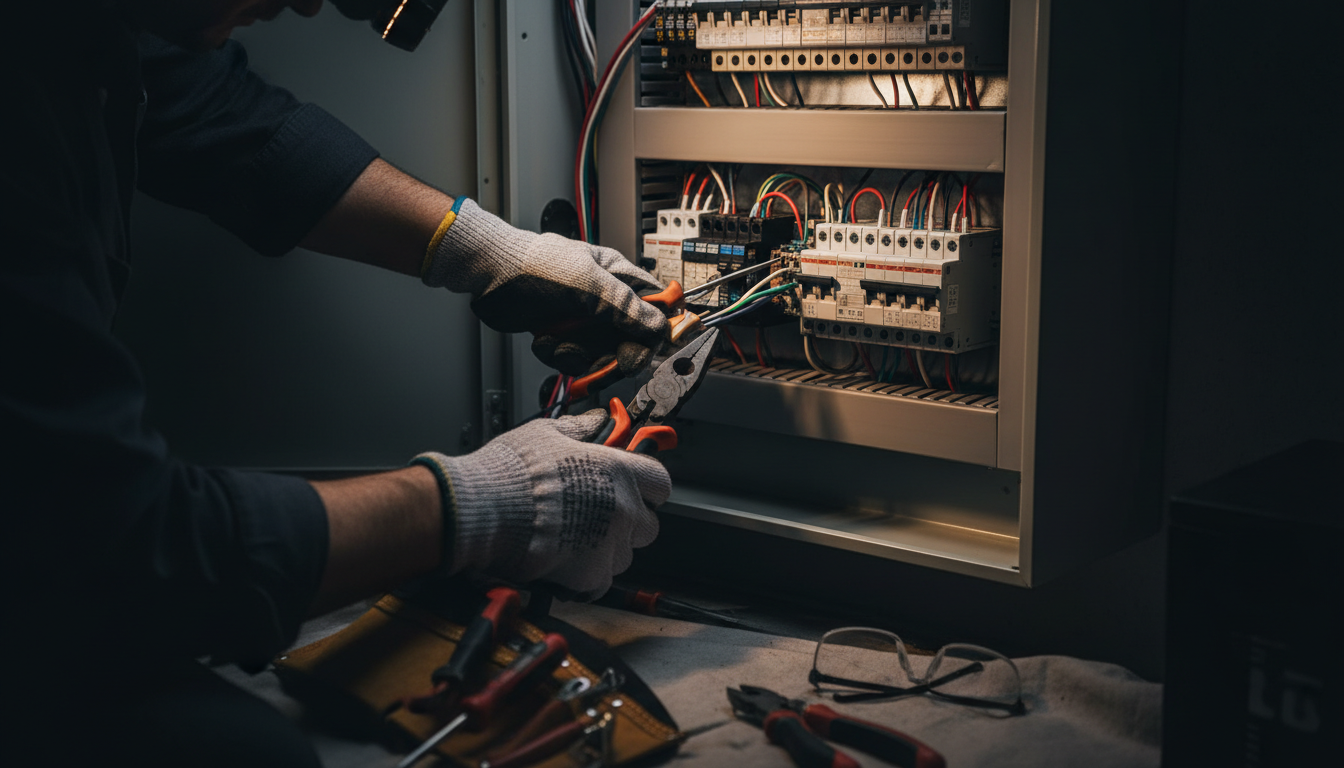
The financial urgency created by the June deadline is matched by a significant shift in safety regulations. The adoption of the 2026 National Electrical Code (NEC) has introduced stringent rules that effectively end the era of DIY home charging setups. The most significant change is found in Section 625.4, which now explicitly mandates that all permanently installed Electric Vehicle Supply Equipment (EVSE) must be installed by qualified persons. This technical designation refers to licensed professionals who have received specific training on the equipment and hazards involved; this change makes DIY hardwired installations a violation of national safety standards and local building codes.
Fire prevention is the primary driver behind these updates. The 2026 code now requires 5mA Ground-Fault Circuit-Interrupter (GFCI) protection for all EV circuits. This is a highly sensitive threshold designed to detect even minor current leakages that could lead to electrical fires or shocks in a garage or driveway environment. Furthermore, Section 220.57 has updated the requirements for load calculations. It is no longer acceptable to simply assume a panel has space for a new high-draw appliance. Electricians must now perform a comprehensive calculation to ensure the home’s existing infrastructure can handle the continuous load of an EV charger without overheating components or exceeding the capacity of the service entrance.
Anders Electrical prioritizes these safety standards to protect your property and ensure your system passes local inspections throughout Box Elder County. Our technicians are trained in the latest 2026 protocols, ensuring every reliable electrical solutions project we undertake meets or exceeds code. Skipping professional oversight for your EV charger installation Utah 2026 not only risks a fire but can also lead to your homeowner’s insurance denying claims related to electrical faults. To ensure your home is both safe and legal, contact our team to schedule a code-compliant installation that includes all necessary permits and professional safety testing.
Cost Breakdown for EV Charger Installation in Utah
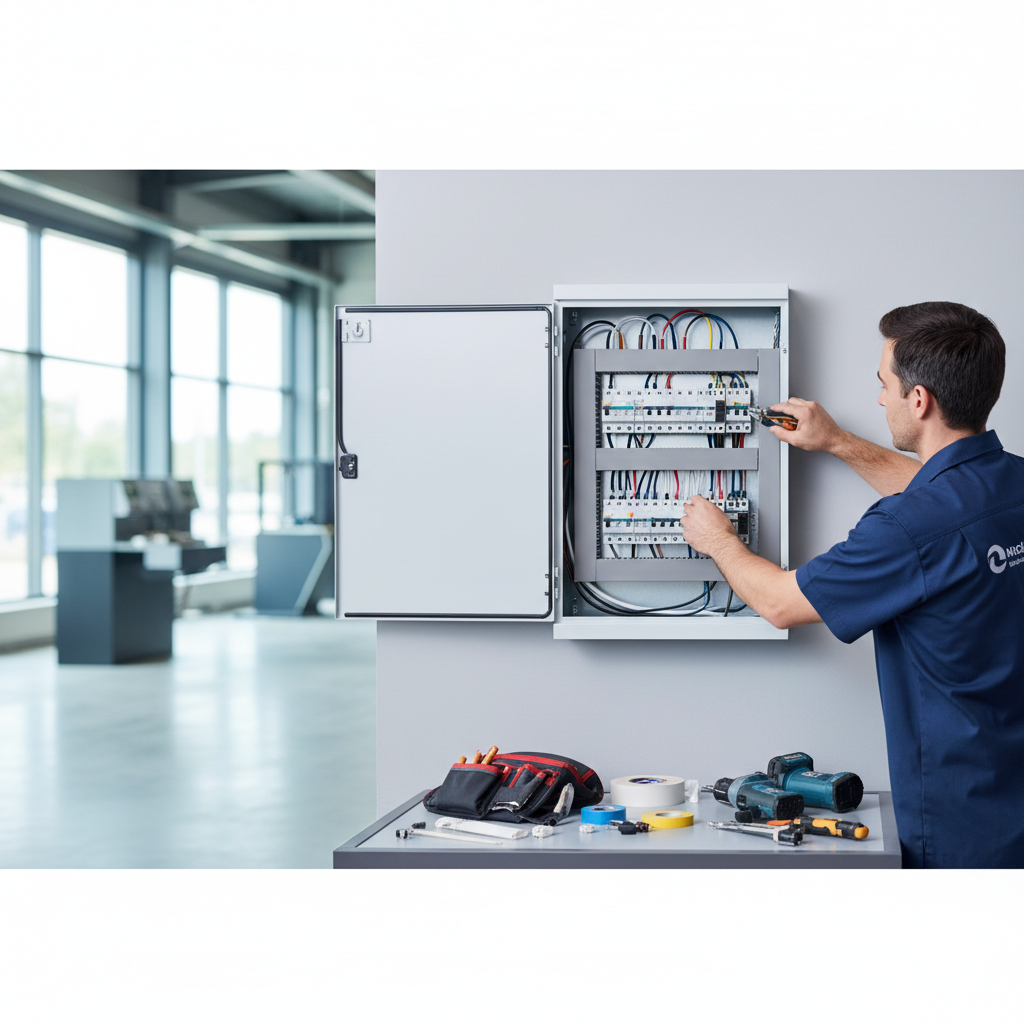
Understanding the financial requirements for EV charger installation Utah 2026 involves more than just the price of the hardware. For a standard Level 2 residential installation in Box Elder County or Salt Lake County, homeowners typically see project totals ranging from $800 to $2,500. Most straightforward professional installs average between $1,400 and $2,000; however, local municipal fees and specific site conditions significantly influence the final invoice.
Several variables dictate where your project falls within this range. The primary cost driver is the distance between your main electrical panel and the proposed charging location. Longer runs require extensive conduit, heavy gauge copper wiring, and more labor hours for routing through walls or ceilings. Additionally, permit fees vary by city, usually adding $50 to $200 to the total cost to ensure the work is recorded and inspected correctly.
Cost Component | Typical Price Range |
|---|---|
Basic Labor & Materials | $800 – $1,500 |
Long Distance / Conduit Runs | +$300 – $1,000 |
Permitting & Inspections | $50 – $200 |
EV Charger Hardware | $400 – $800 |
The most significant hidden expense occurs when existing infrastructure is insufficient. If your home currently operates on a 100 amp service, adding a continuous 40 or 50 amp load likely necessitates a full electrical panel upgrade. In complex residential scenarios, upgrading to a 200 amp service to accommodate modern charging demands can range from $7,000 to $10,000. While these reliable electrical solutions require a larger upfront investment, they are often necessary to meet the 2026 safety standards discussed previously. If you are unsure about your home's current capacity, you should contact our team for a detailed site evaluation.
Electrical Panel Requirements for Level 2 Charging
A successful EV charger installation Utah 2026 relies entirely on the capacity of your home’s electrical infrastructure. Level 2 charging equipment requires a dedicated 240 volt circuit, typically served by a 40 amp to 60 amp double pole breaker. Because EV chargers are considered continuous loads, the circuit and breaker must be rated for 125 percent of the charger’s actual output. For example, a 48 amp charger requires a 60 amp circuit to prevent overheating and nuisance tripping.
Homeowners frequently ask if a 200 amp panel is mandatory. While a 100 amp service can sometimes accommodate an EV, it often requires the addition of a load shedding device or smart energy manager. These systems temporarily pause charging when other high draw appliances, such as an air conditioner or electric range, are in use. However, a 200 amp service remains the gold standard for modern homes. It provides the necessary headroom to run multiple appliances and charge a vehicle simultaneously without risk.
The only way to determine your home’s readiness is through a professional load calculation. Our technicians evaluate your existing electrical demand against the new charger’s requirements to ensure safety and code compliance. If your current system is at capacity, an electrical panel upgrade may be the most reliable electrical solutions for long term safety. To find out if your home is ready for a Level 2 setup, contact our team for a comprehensive assessment.
Permits and Compliance in Box Elder County and the Wasatch Front
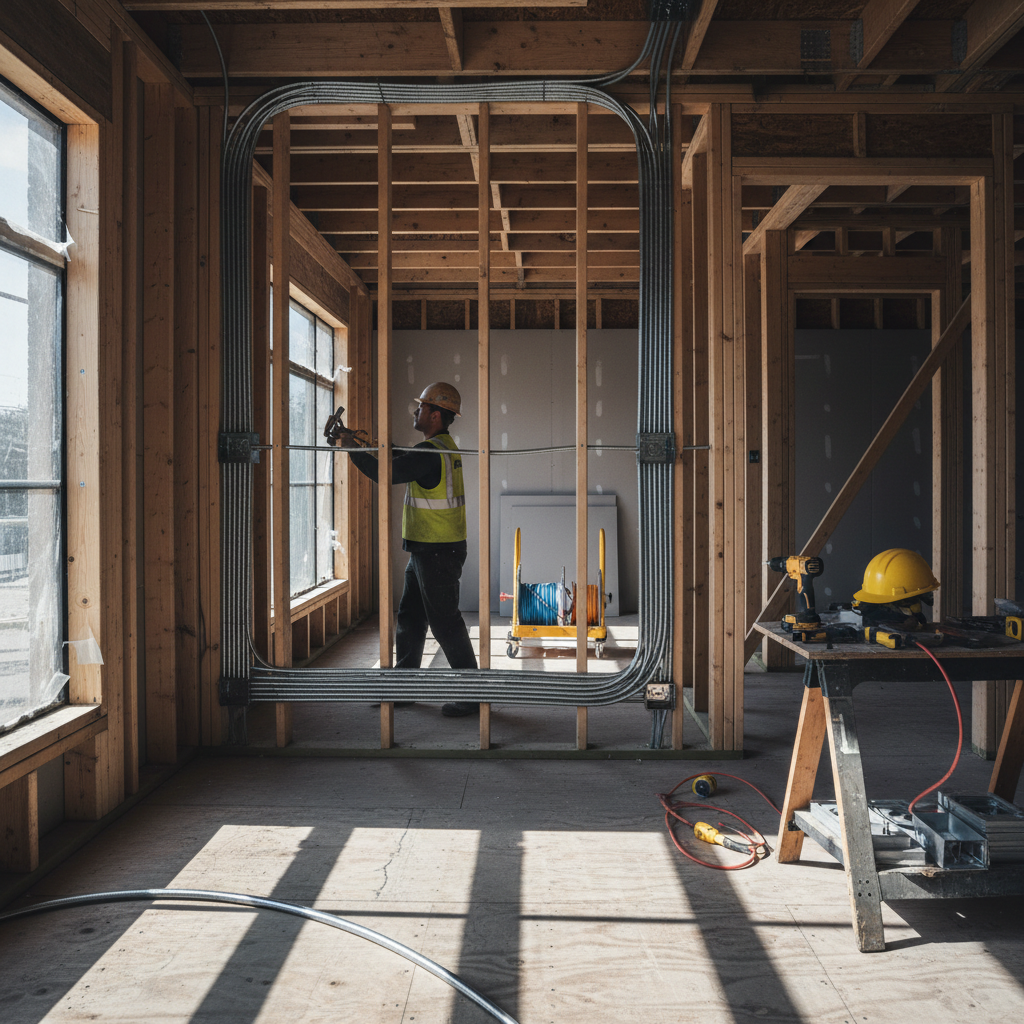
Navigating the specific bureaucracy of local municipalities is a vital step in any EV charger installation Utah 2026 project. Building departments throughout Box Elder County and the Wasatch Front, from Brigham City to Salt Lake City, require a dedicated electrical permit for the installation of Level 2 charging equipment. This process ensures that the added load has been properly calculated and that the wiring meets the new, stricter safety standards for 2026.
Securing a permit and passing a post-installation inspection is not just a legal formality; it is a requirement for maintaining your property’s protection. Most homeowners insurance providers will only cover claims related to electrical fires or equipment failure if the work was permitted and inspected by a local authority. Furthermore, EVSE manufacturers often require proof of professional installation to honor product warranties.
Anders Electrical manages the entire permitting process on your behalf. We handle the application filing, coordinate with city inspectors, and ensure all documentation is registered correctly with your local building department. If your setup necessitates an electrical panel upgrade to support the new demand, we integrate that into the permit to ensure your whole system is vetted for safety. For reliable electrical solutions that take the stress out of compliance and paperwork, contact our team to schedule your installation and inspection.
Preparing for an EV charger involves balancing safety codes and financial deadlines. While understanding these requirements is the first step, ensuring your installation is both compliant and efficient requires precision. If you want expert help navigating these technical standards or maximizing your tax incentives, our team is ready to assist. You can learn more about our commitment to quality service on our About page. We aim to make your transition to electric driving seamless and safe.