Yes, a homeowner can do their own electrical work in Utah on their primary residence provided they obtain the necessary permits and comply with the National Electrical Code. All DIY projects must pass a local inspection to verify safety and ensure that homeowners insurance will cover the property in the event of a claim.
Tackling a DIY electrical project often starts with a desire to save money or a sense of self-reliance, yet Utah homeowners frequently find themselves caught between ambitious home improvements and strict state regulations. While the idea of rewiring a room might seem straightforward, navigating the legal requirements of the Beehive State is essential to ensure your home remains safe, insurable, and compliant with local codes. Attempting to bypass these protocols can lead to failed inspections or significant safety hazards. In this guide, we will break down the Utah Owner Occupied Electrical Exemption and explain exactly when you are required to pull a permit. We will also explore the critical differences between hiring a handyman and a licensed electrician, what happens if you skip the permitting process, and the specific safety limits that every homeowner should respect to protect their property.
Understanding the Utah Owner Occupied Electrical Exemption
Utah law regarding trade licensing is found in Title 58, Chapter 55 of the Utah Code. Specifically, Section 58-55-305 outlines exemptions from licensure. Under this owner-builder exemption, many residents ask: can a homeowner do their own electrical work in Utah? The short answer is yes, but the legal framework is specific. You are generally allowed to install or repair electrical systems yourself only if the property is your primary residence and you are not doing the work for hire.
This exemption does not apply to rental properties, commercial spaces, or homes intended for immediate resale. If you are flipping a house in Box Elder County, you generally must hire a licensed contractor to ensure the work meets state standards. Furthermore, while the law allows you to physically perform the labor, you are not exempt from safety regulations. Every wire pulled and outlet installed must comply with the current National Electrical Code (NEC) and any specific Utah amendments adopted by the state.
It is important to differentiate between a homeowner and a handyman. While Utah allows a handyman exemption for small projects under a certain dollar threshold, this typically excludes any work that requires a building permit; a handyman cannot legally perform significant electrical wiring without a professional license. As a homeowner, you effectively assume the role of the contractor, meaning you are personally responsible for ensuring the home electrical inspection Utah requires is scheduled and passed. At Anders Electrical, we provide professional electrical solutions for those who realize that legal permission does not always equate to having the specialized tools or technical knowledge required for complex power systems.
When You Must Pull a Permit for Electrical Work in Utah
While the owner-builder exemption answers the question of whether you can legally pick up the tools, it does not exempt the project from municipal oversight. In Utah, the requirement to pull a permit is triggered by the nature of the work, not the status of the person performing it. Salt Lake City Code 18.20.010, which serves as a professional benchmark for many jurisdictions across the state, specifies that a permit is required to install, alter, repair, or replace any electrical wiring or equipment.
Certain projects are non-negotiable regarding permitting. Basement finishing and kitchen renovations are primary examples. Technical research regarding Utah kitchen remodels highlights that any modification to the existing electrical layout, including moving outlets for new cabinetry or adding recessed lighting, requires a permit. If a project involves adding a new dedicated circuit to the breaker box for a microwave or dishwasher, it must be documented and inspected by the local building department.
Specific scenarios that require a permit in Utah include:
Complete electrical panel replacement or amperage service upgrades.
Installing new circuits for heavy appliances, hot tubs, or EV charging stations.
Wiring for home additions, sunrooms, or detached workshops.
Any alterations to existing branch circuit wiring located behind finished walls.
Even what homeowners might consider minor changes often fall under these rules. In Box Elder County and Davis County, building officials emphasize that these permits are safety mechanisms designed to prevent house fires and ensure long term code compliance. While the answer to can a homeowner do their own electrical work in Utah is technically yes for a primary residence, the legal obligation to secure a permit remains absolute. Attempting to bypass this step can lead to significant issues during the inspection process or when the property is eventually appraised for a future sale.
The Handyman vs Licensed Electrician Debate in Utah
A common source of confusion for residents in Box Elder and Davis County is the Utah handyman exemption. Under state law, individuals can perform certain small construction projects without a license if the total value is under $3,000. However, homeowners often mistakenly assume this covers minor wiring. The reality is that this exemption generally does not apply to any trade requiring a specialized permit.
Because most electrical tasks involve modifications to the home's infrastructure, they fall outside the handyman's legal scope. A handyman cannot legally install new circuits, modify existing wiring, or perform an electrical panel replacement unless they hold a valid electrical contractor license issued by the Utah Division of Professional Licensing (DOPL).
Feature | Handyman (Unlicensed) | Licensed Electrician |
|---|---|---|
Project Limit | Under $3,000 | No Limit |
Permit Required Work | Legally Prohibited | Fully Authorized |
Liability Coverage | Often Uninsured | Bonded and Insured |
Code Compliance | Variable | Guaranteed to NEC Standards |
Hiring unlicensed labor creates significant risks for the property owner. If a handyman performs work that requires a permit, the homeowner is the one held responsible for code violations. Furthermore, work completed by unlicensed individuals may not pass a home electrical inspection Utah requires, potentially leading to costly teardowns. While the answer to can a homeowner do their own electrical work in Utah is yes for a primary residence, the law does not allow you to delegate that work to an unlicensed individual for hire. For safety and compliance, always verify that your contractor holds the specific credentials to provide professional electrical solutions.
What Happens If You Do Electrical Work Without a Permit in Utah?
Skipping the permit process might seem like a shortcut to save money, but the administrative and financial penalties in Utah are severe. If a municipal inspector discovers active work without a posted permit, they will issue a stop-work order immediately. This halts all construction on the property until a permit is secured, often accompanied by double or triple permit fees as a penalty. In some cases, you may be required to tear down drywall so the inspector can verify the wiring matches code, turning a weekend project into a costly renovation.
While the question of can a homeowner do their own electrical work in Utah is answered by the owner-builder exemption, the legal consequences for ignoring the permit requirement are substantial. The risks extend to your long-term financial security through insurance coverage. Most homeowner insurance policies in Utah include clauses that exclude coverage for damage resulting from illegal acts or work performed without necessary permits. If an electrical fire originates from an unpermitted circuit or a DIY electrical panel replacement, your carrier may deny the claim entirely; this leaves you personally liable for the full cost of repairs or a total loss of the structure.
Furthermore, unpermitted work creates significant friction during real estate transactions. Utah disclosure laws require sellers to provide a Seller’s Property Condition Disclosure, where you must legally report any modifications made without building permits. Discovery of unpermitted wiring during a home electrical inspection Utah buyers request can stall a sale, force expensive retro-permitting, or require a professional to redo the work entirely to satisfy the buyer's lender. Choosing professional electrical solutions from the start ensures your property value remains protected and your liability is minimized.
The Electrical Inspection Process for Utah Homeowners
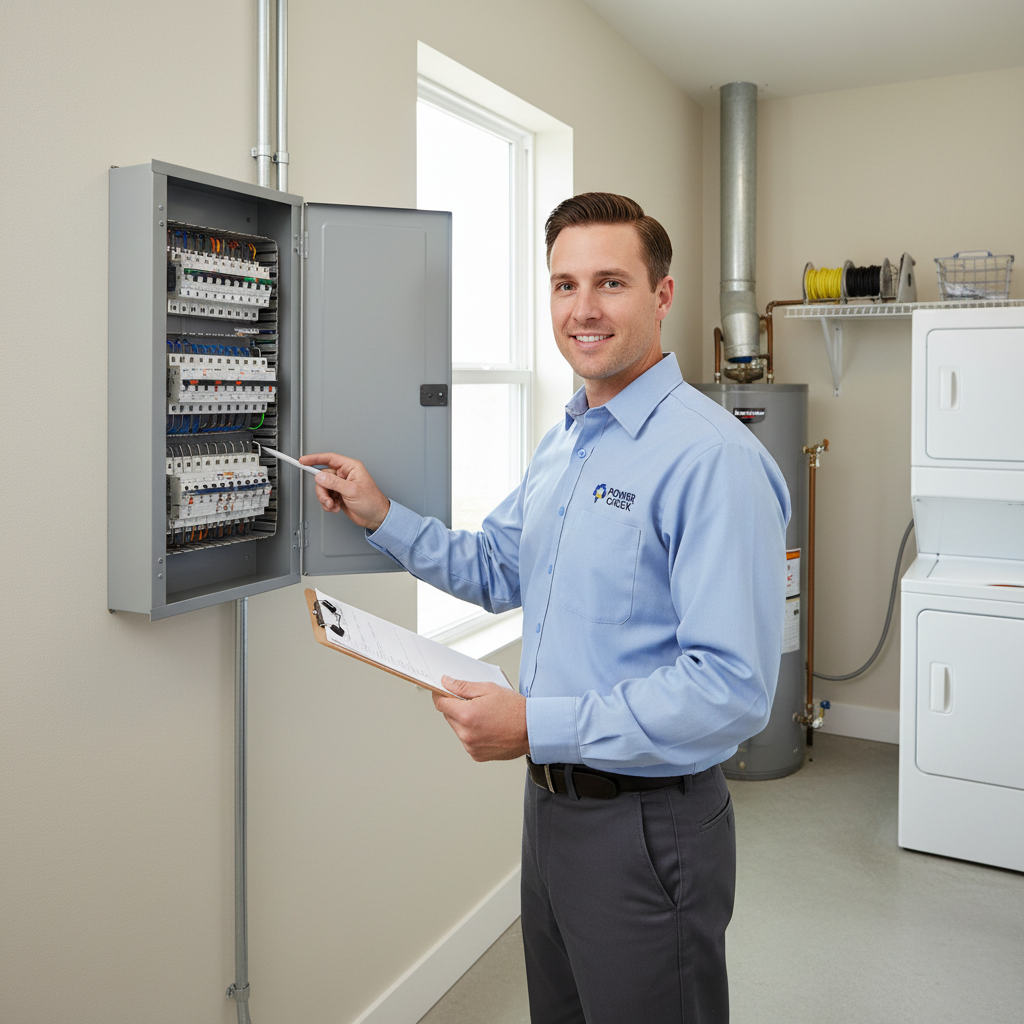
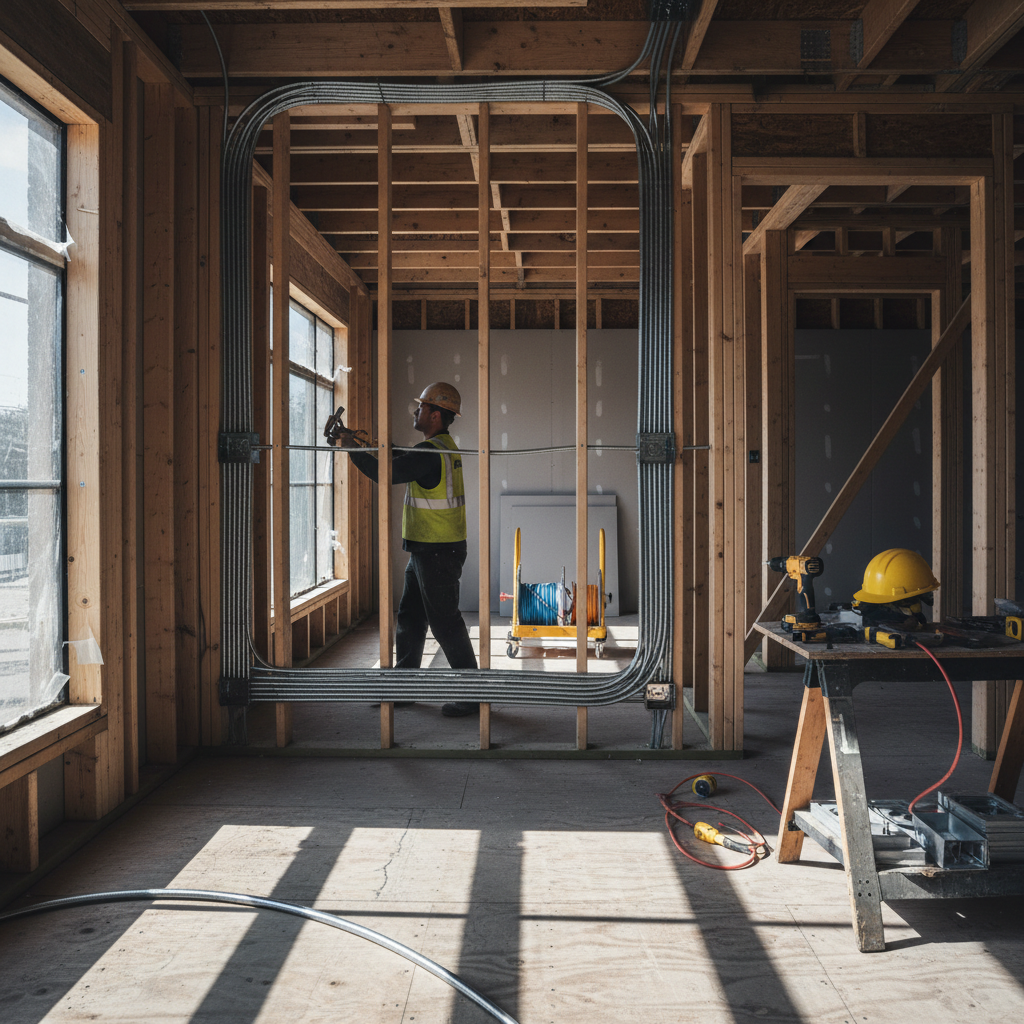
Navigating the administrative side of a permit is only half the battle; the physical inspection is where the technical accuracy of your work is validated. In Utah, this process typically occurs in two distinct stages. The first is the rough-in inspection, which happens after all wires are pulled and boxes are mounted but before the drywall is installed. During this phase, the inspector verifies that wire is properly secured, hole spacing in studs meets code, and box depth is correct for the intended wall finish.
The second stage is the final inspection, conducted once all devices, light fixtures, and cover plates are installed. Inspectors in Box Elder and Davis County focus heavily on safety mechanisms required by the NEC. They will test for proper grounding, verify that GFCI protection is present in wet areas like kitchens and bathrooms, and ensure AFCI protection is installed for living areas. They also cross-reference wire sizing with breaker amperage to prevent fire hazards. If your project involves a complex electrical panel replacement, the inspector will pay specific attention to the grounding electrode system and bonding.
While the fact that can a homeowner do their own electrical work in Utah allows for DIY projects, standing before an official can be a high-pressure experience. A single failed line item can result in a correction notice that requires reopening walls or rewiring a panel. By opting for professional electrical solutions, you offload the stress of city communication and technical defense to experts who already have established rapport with local building departments. This ensures the home electrical inspection Utah requires passes the first time without costly delays.
Safety Limits: When DIY Electrical Work Becomes Dangerous
Beyond the legalities of the owner-builder exemption, physical safety remains the most critical boundary. Utah Legislature Title 58 establishes clear lines regarding voltage, specifically noting a 250-volt threshold in various trade regulations. While the question of can a homeowner do their own electrical work in Utah is legally answered for primary residences, the physical risk of working with high-voltage systems is significant.
Homeowners should never attempt DIY tasks involving the main service entrance or a full electrical panel replacement. The line side of your main breaker remains energized even when the main switch is off; a single slip with a screwdriver can cause a catastrophic arc flash. Similarly, 240-volt circuits for EV chargers, hot tubs, or large appliances carry enough current to be lethal. These systems require precise torque settings on terminals to prevent resistive heating, a common cause of electrical fires that a standard home electrical inspection Utah might flag if done incorrectly.
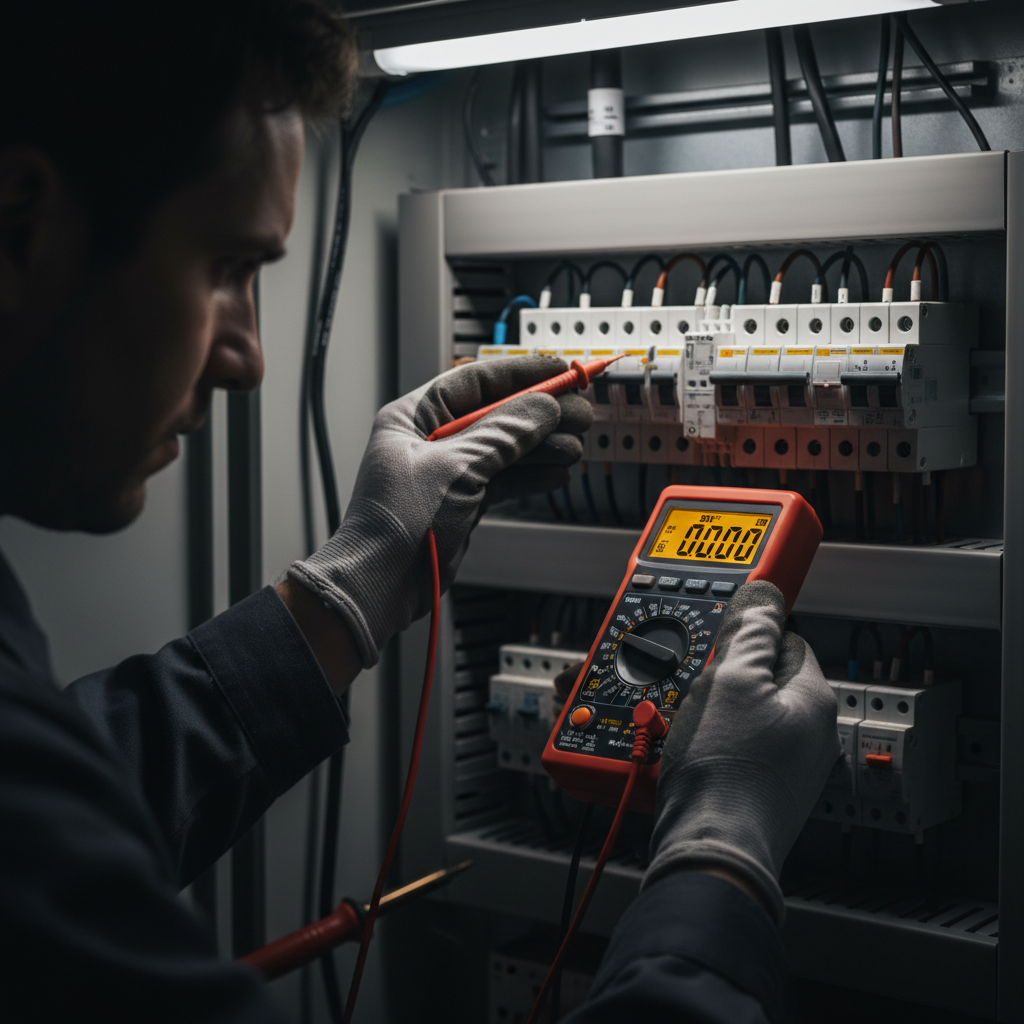
Professional technicians rely on more than just basic knowledge; they use specialized diagnostic equipment. While a DIYer might have a simple voltage pen, professionals utilize true RMS multimeters, circuit tracers, and thermal imaging to identify loose connections or overloaded wires before they fail. By choosing professional electrical solutions, you ensure that high-amperage installations are balanced across phases and grounded to exact specifications, protecting your family from the invisible dangers of improper wiring.
Navigating Utah’s electrical codes and permitting requirements ensures your home remains safe and compliant. While homeowners have the right to perform certain tasks, the technical demands can be complex and time consuming. If you would prefer to have a professional handle the heavy lifting, we are ready to assist. You can learn more about Anders Electrical to see how we help homeowners achieve peace of mind. Our team focuses on quality work that adheres to every safety standard.